SCIENCE • CHAPTER 2 • ILLUSTRATED NOTES
Diversity in the Living World
See how plants and animals differ, discover patterns in their features, and learn why habitats matter.
Observe → Compare → Group → Explain → Protect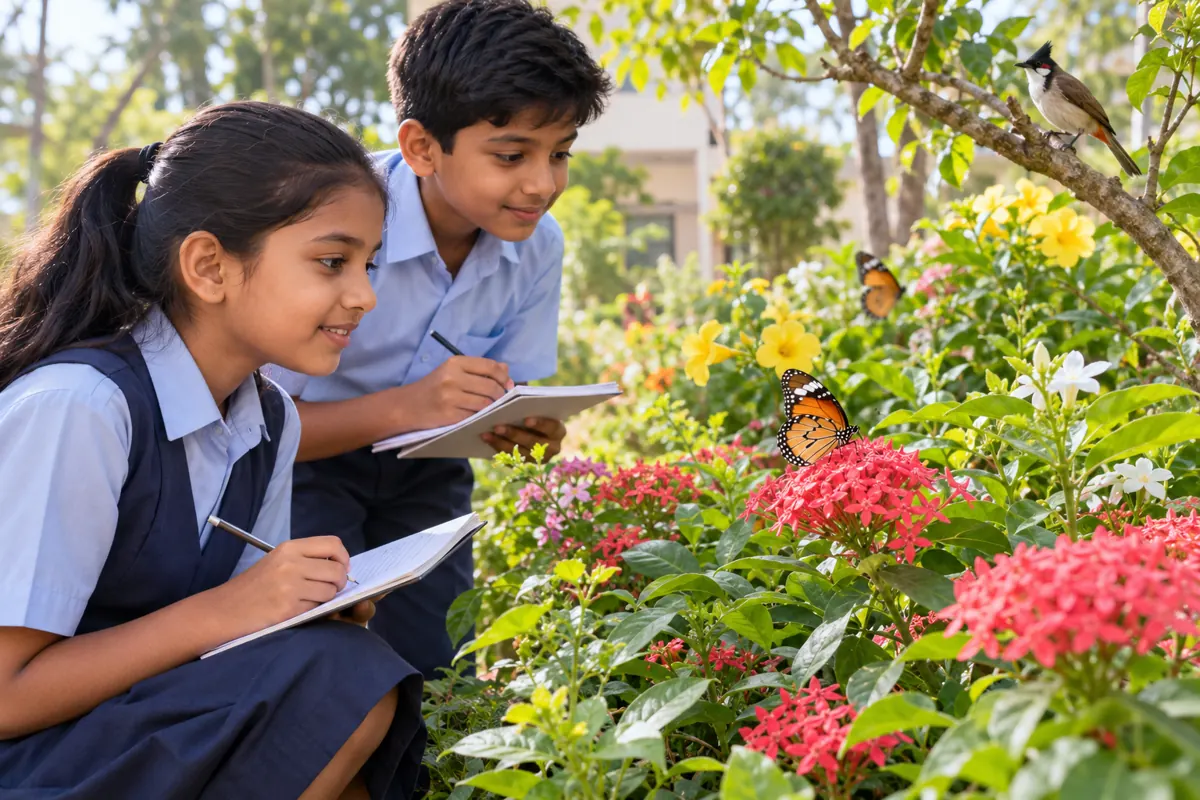
Notice biodiversity around you
Textbook pages 9–14The variety of plants and animals in a region contributes to its biodiversity. On a nature walk, observe stems, leaves, flowers, animal food, habitat and movement. Listen as well as look, and never disturb living things.
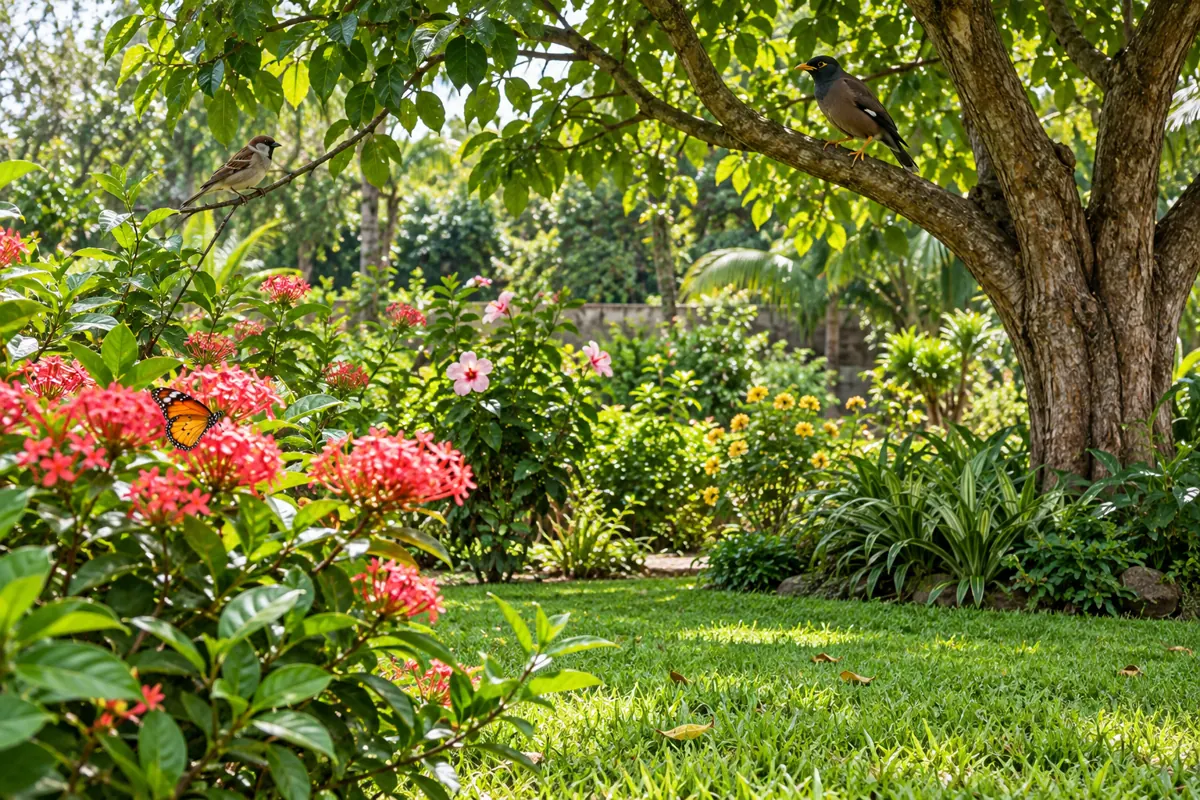
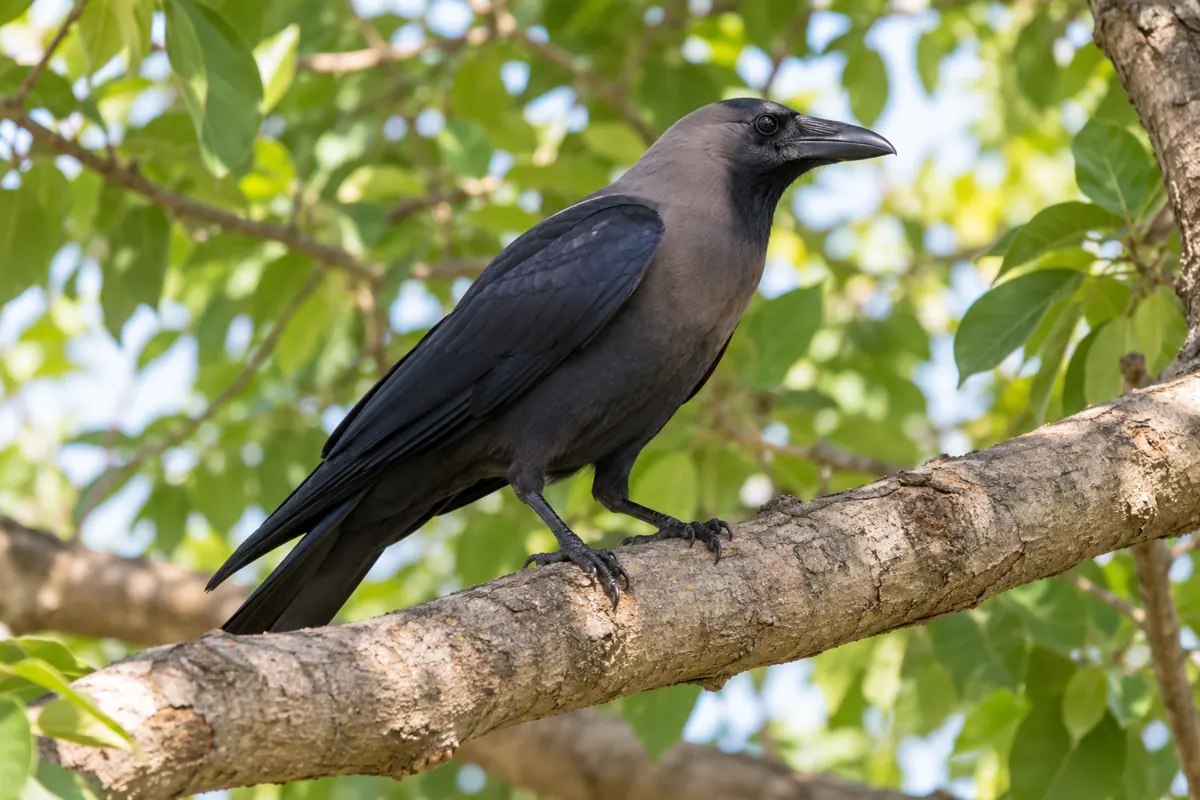
Look closer
The same garden can have tall trees, short herbs, birds, insects and many kinds of leaves. Record features rather than names alone. Listen for different bird calls and ask elders what they have noticed locally.
Living links
A tree may give fruit and shelter; animals may spread seeds after eating fruit. Plants and animals affect one another.
Group plants by their stems
Textbook pages 14–17Grouping means arranging living things by shared features. For plants, height, stem texture and where branches start are helpful clues. A plant can be grouped in more than one way.
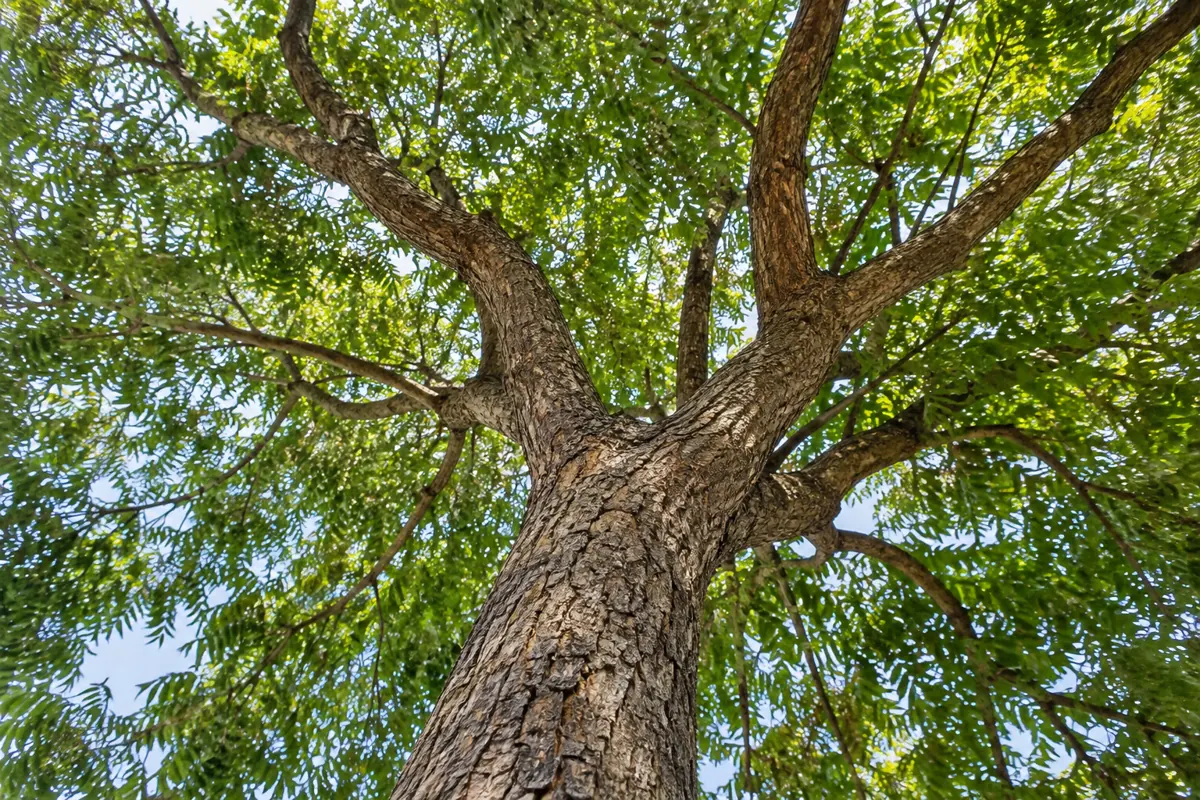
Ask before you decide
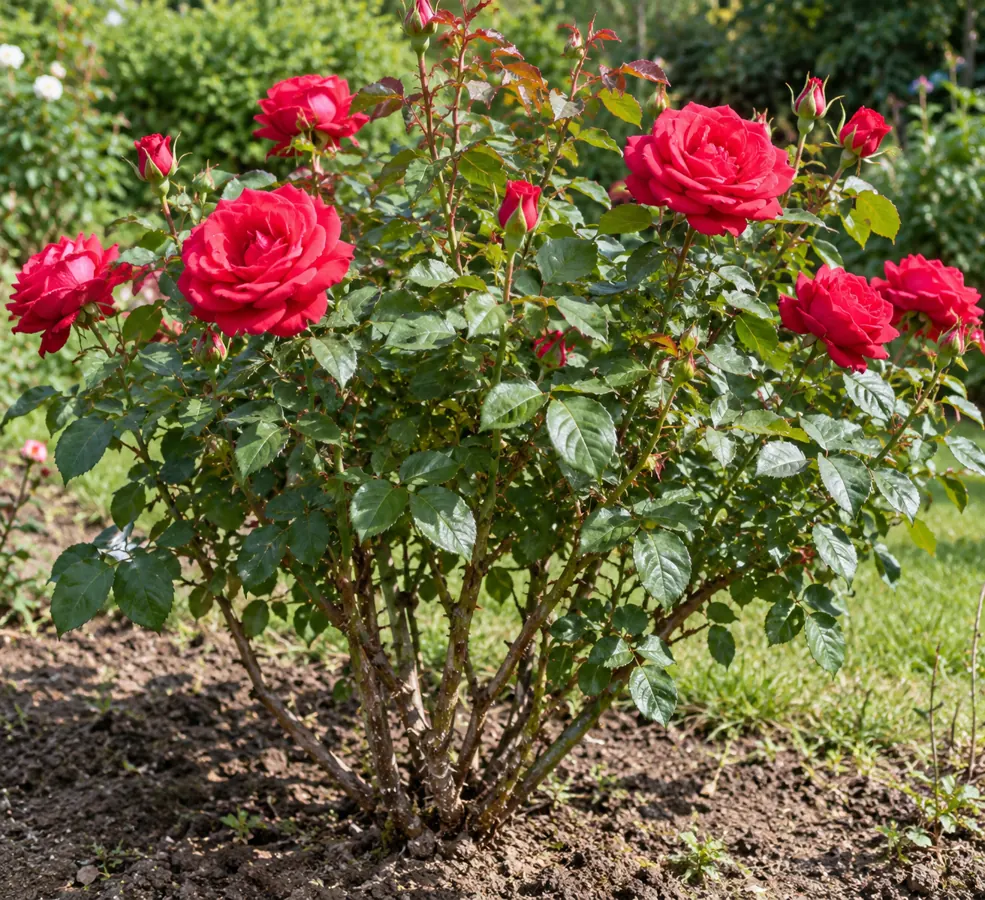
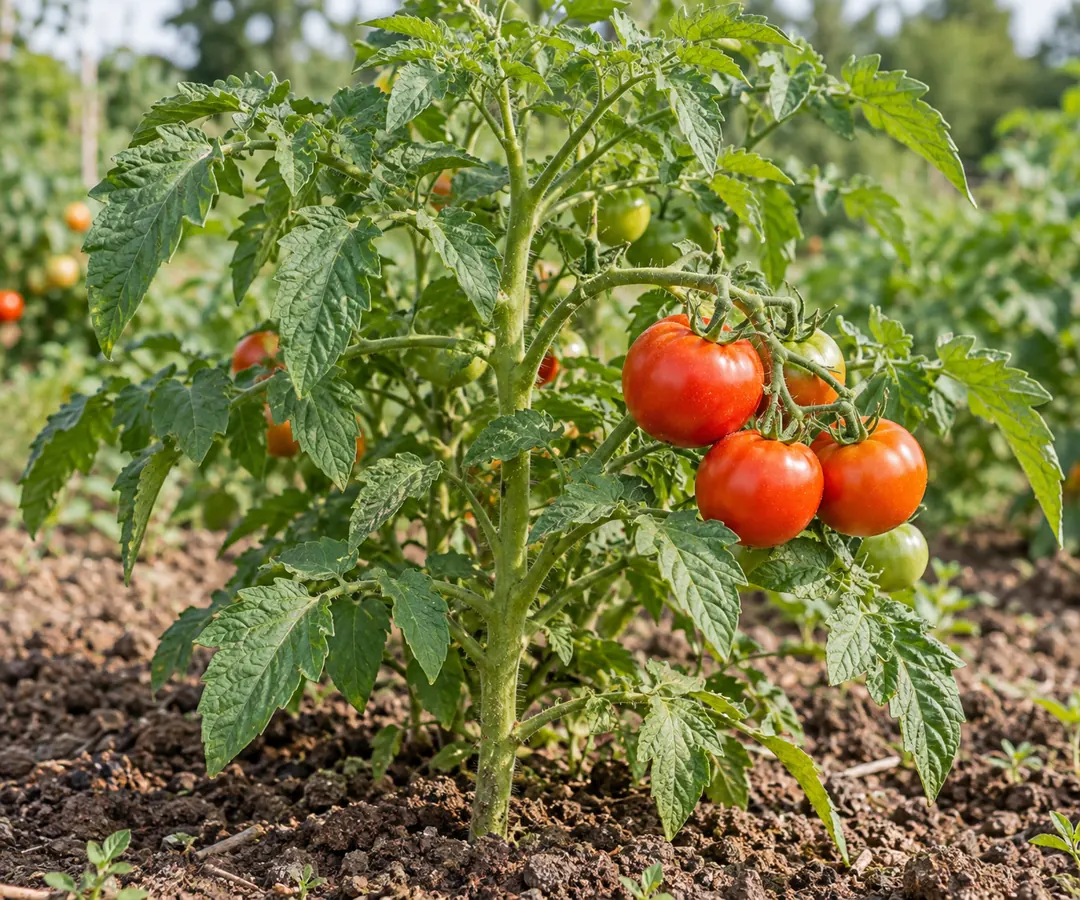
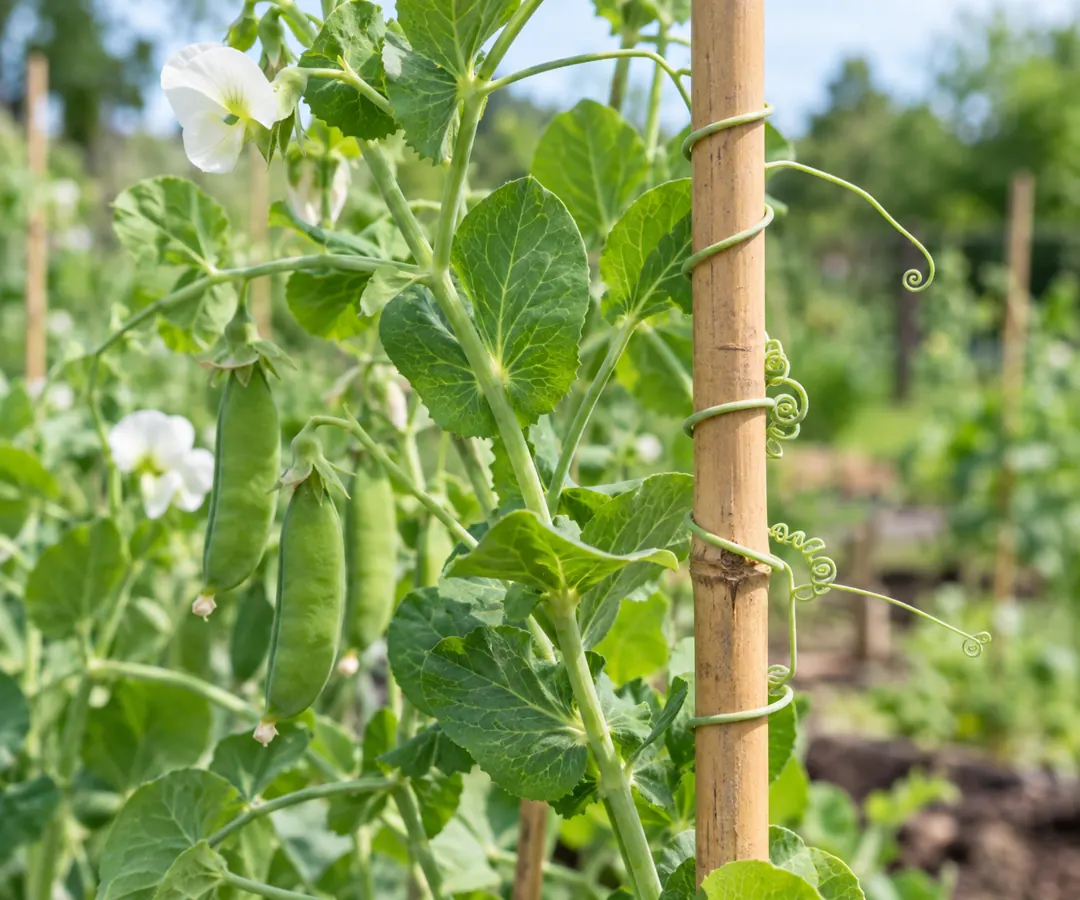
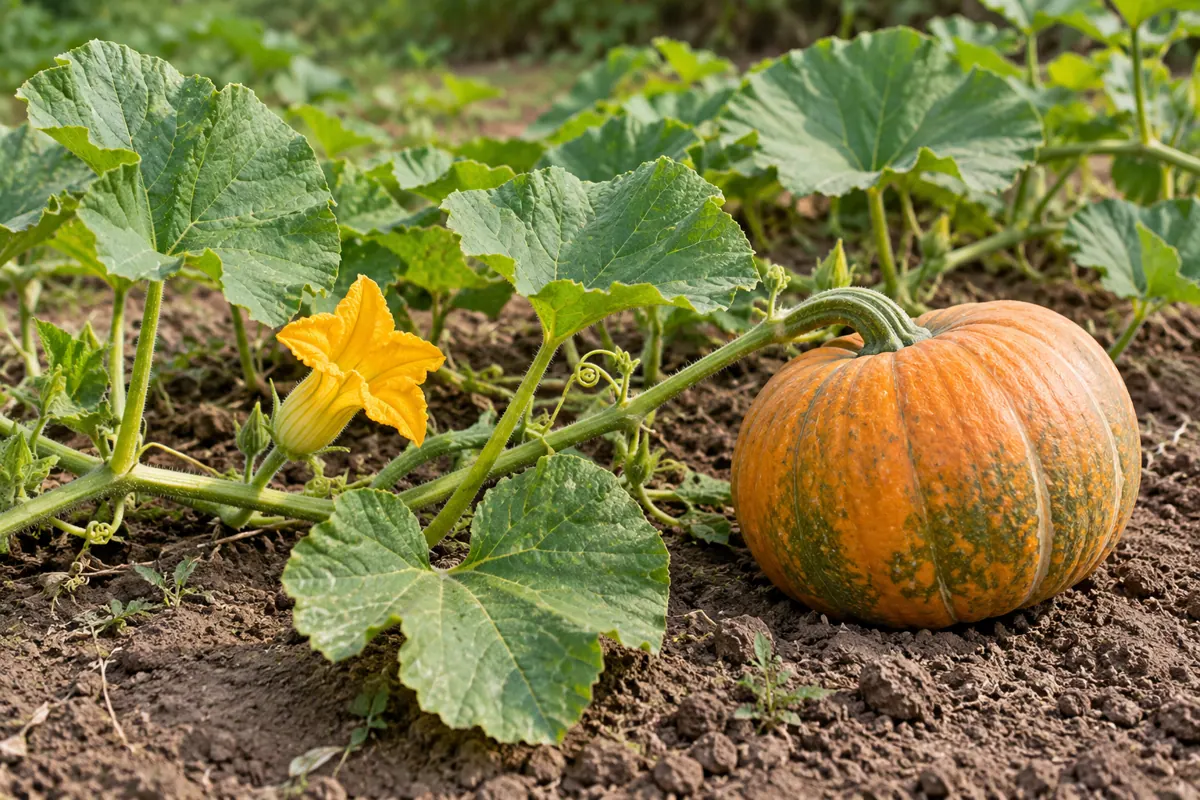
Is the stem soft or woody? Is it thick? Do branches begin near the ground or higher up? Height by itself is not enough.
Examples
Mango is a tree, rose is a shrub and tomato is an herb. Pea and pumpkin illustrate two different weak-stem growth habits.
Read leaves and roots together
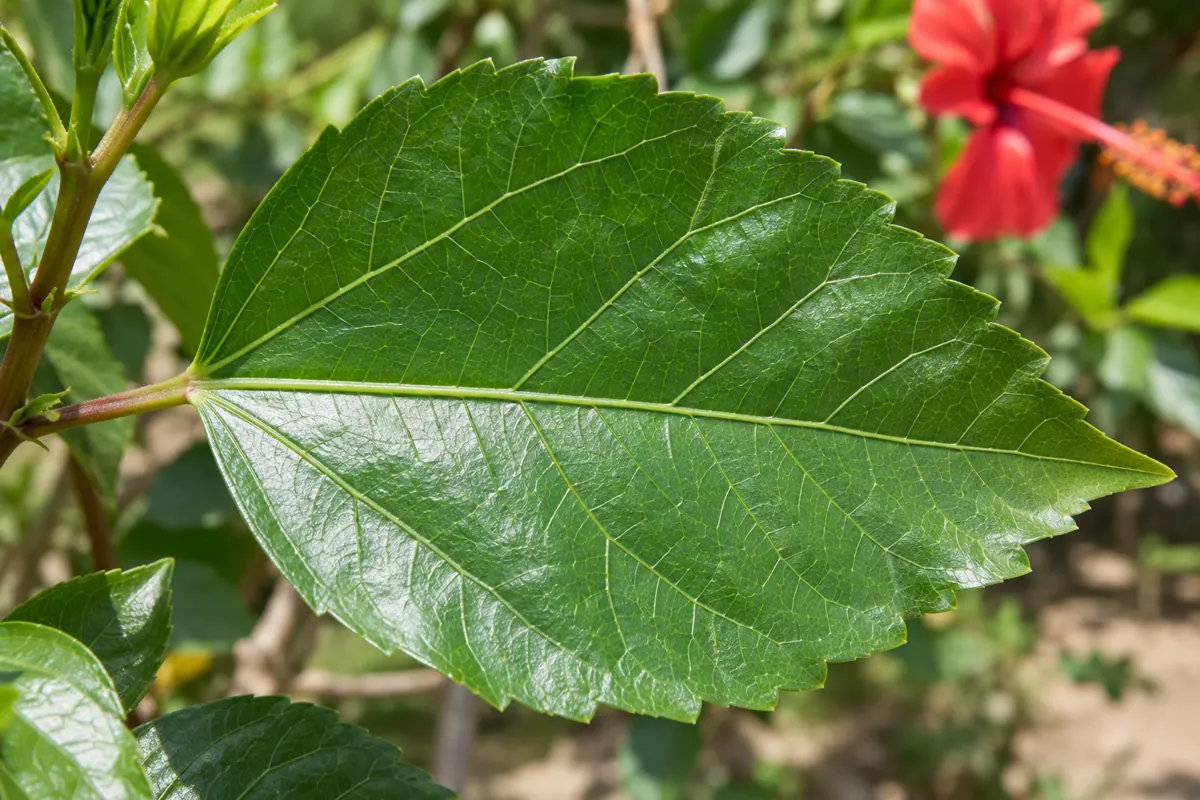
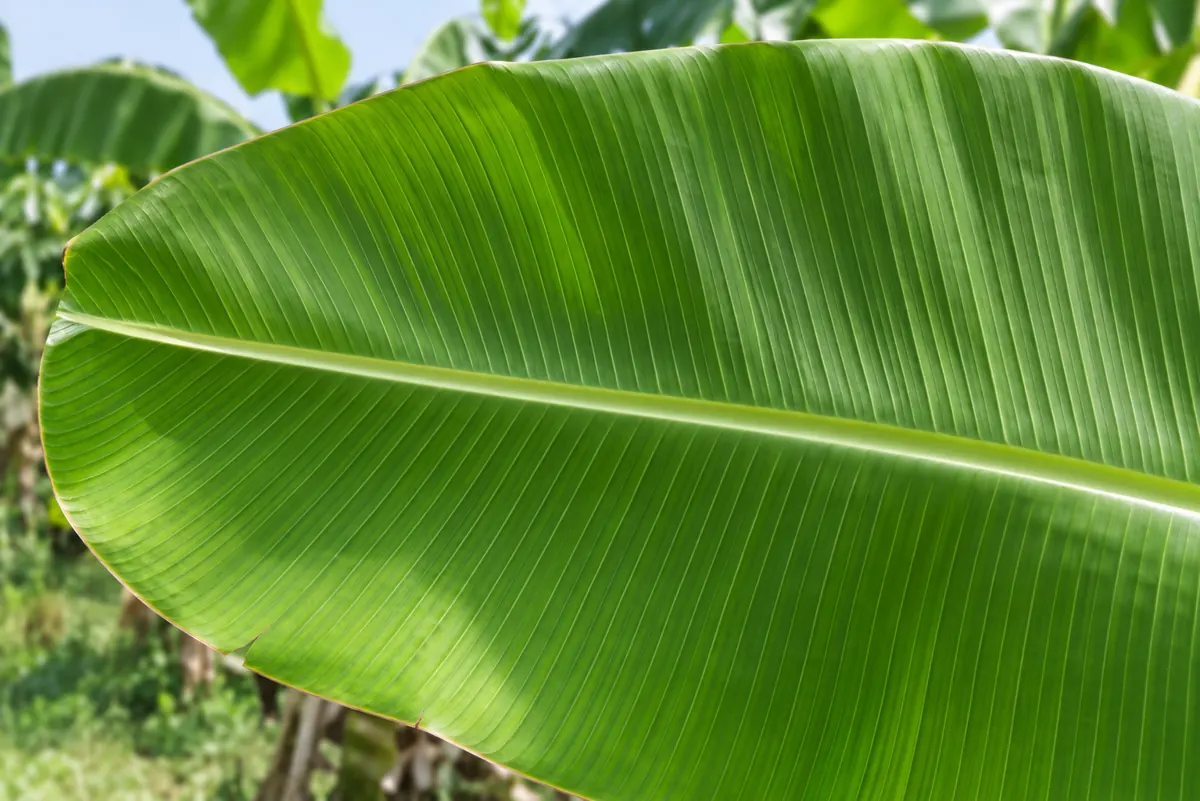
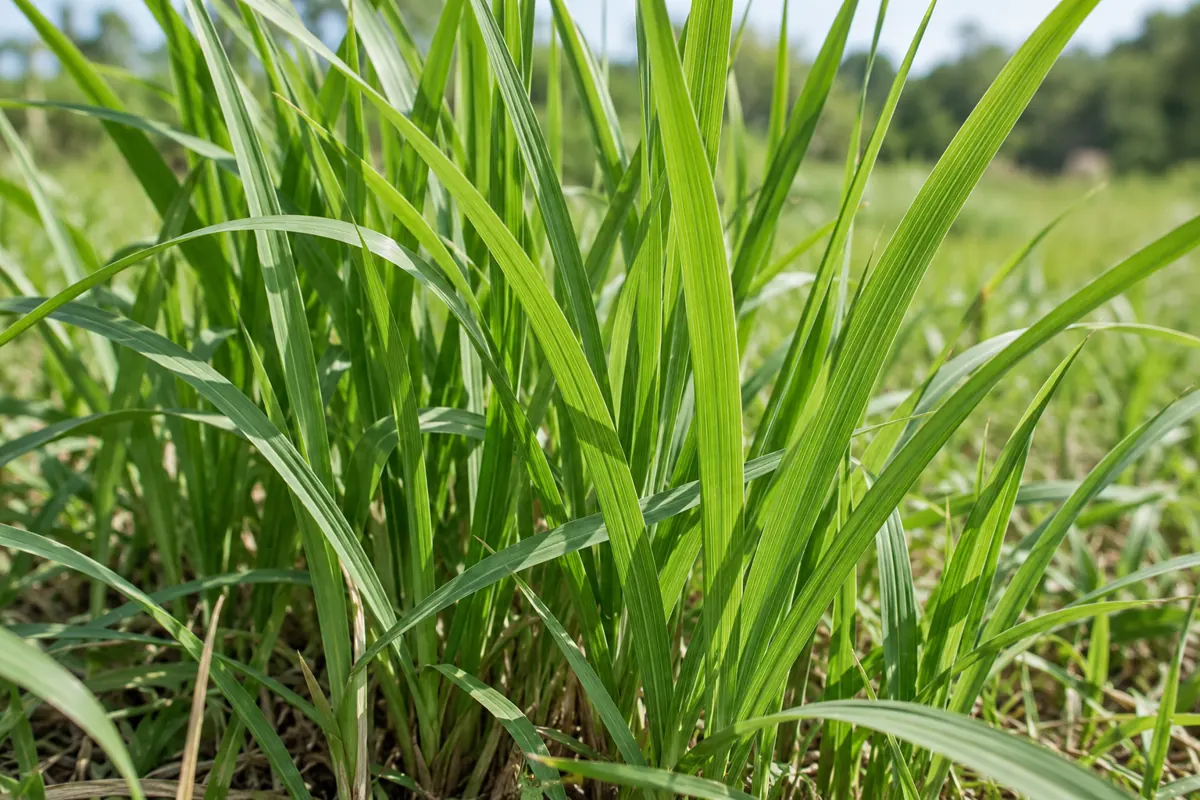
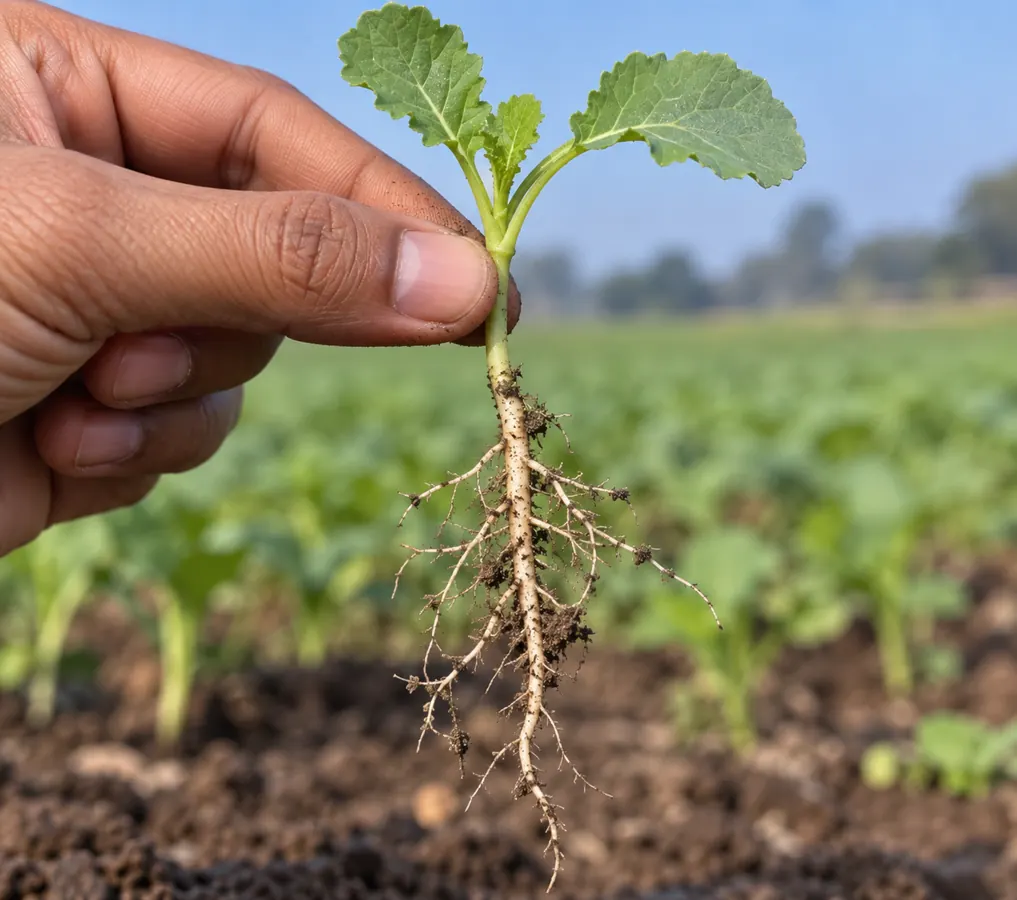
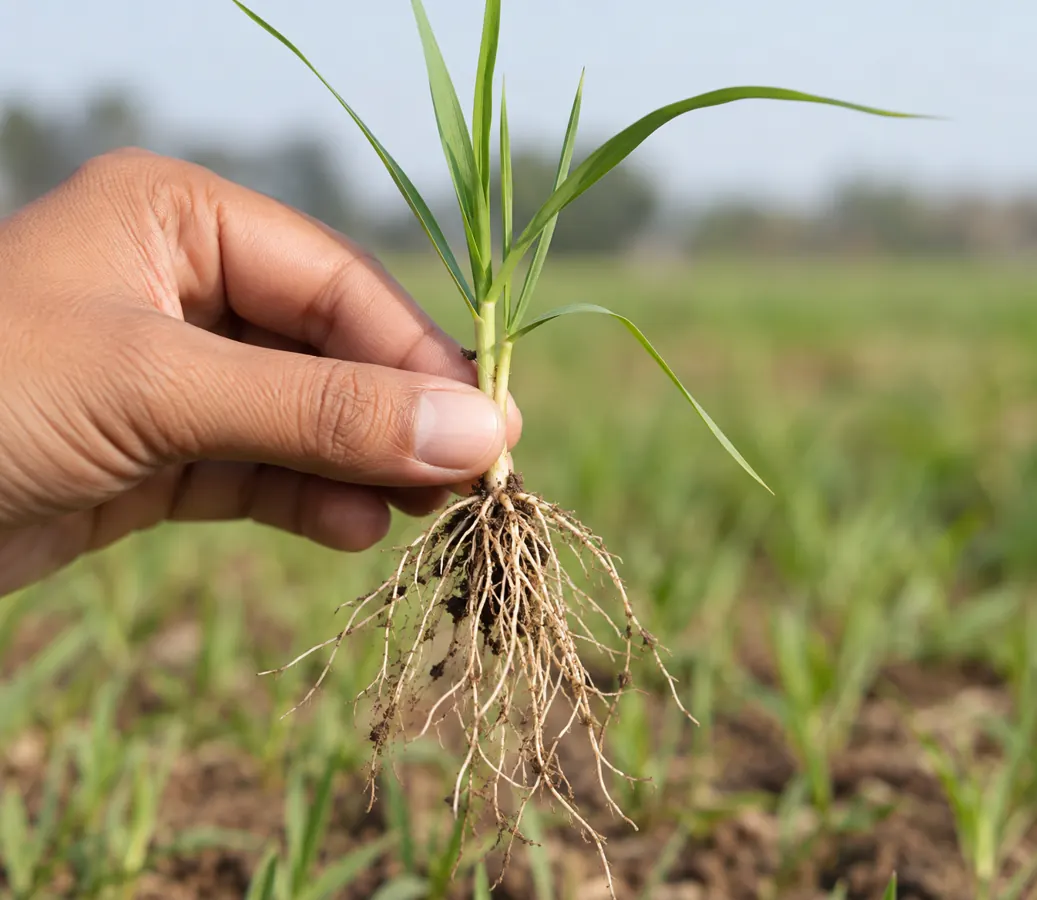
Textbook pages 17–19The pattern of veins on a leaf is called venation. Reticulate veins form a network; parallel veins run alongside one another. Roots may have one main taproot or a bunch of similar thin fibrous roots.
Connect the clues
Plants with reticulate venation generally have taproots. Plants with parallel venation generally have fibrous roots. Use “generally”: biology has exceptions.
Investigate gently
Compare nursery seedlings with a teacher, record leaf and root features, then replant them. Do not pull up wild plants unnecessarily.
Seeds reveal another pattern
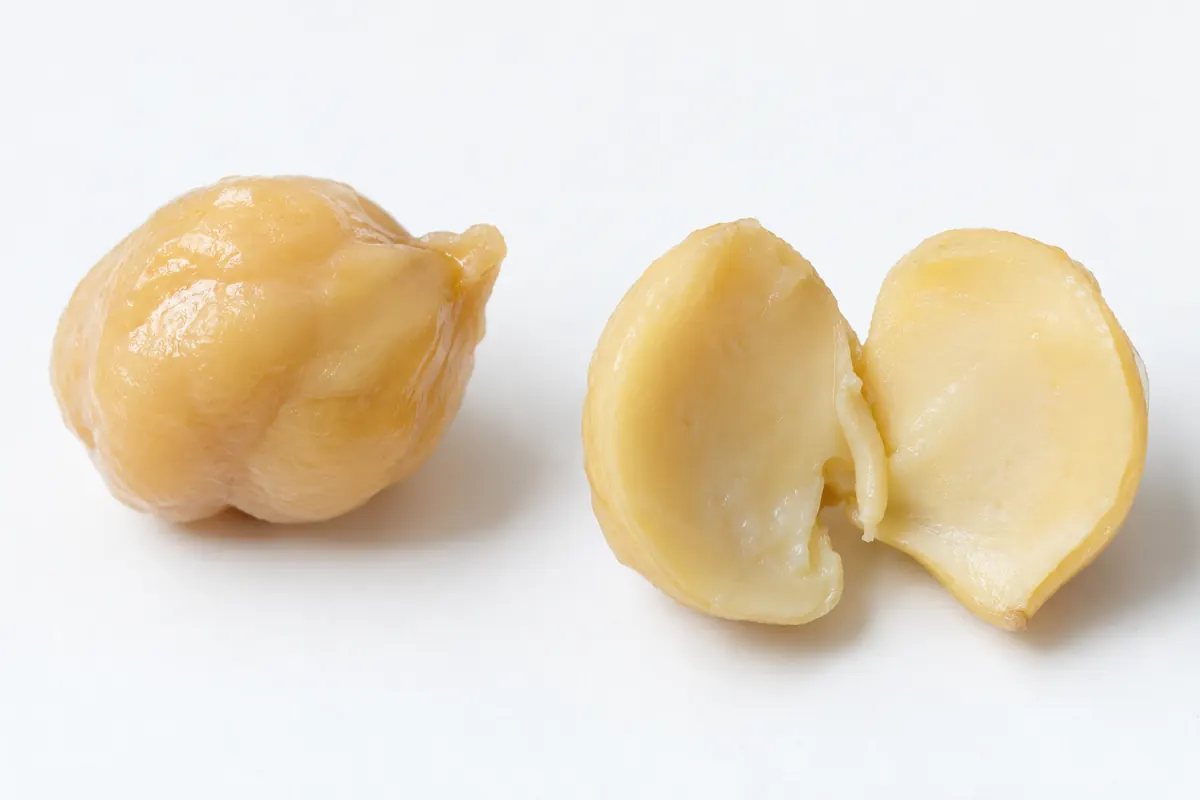
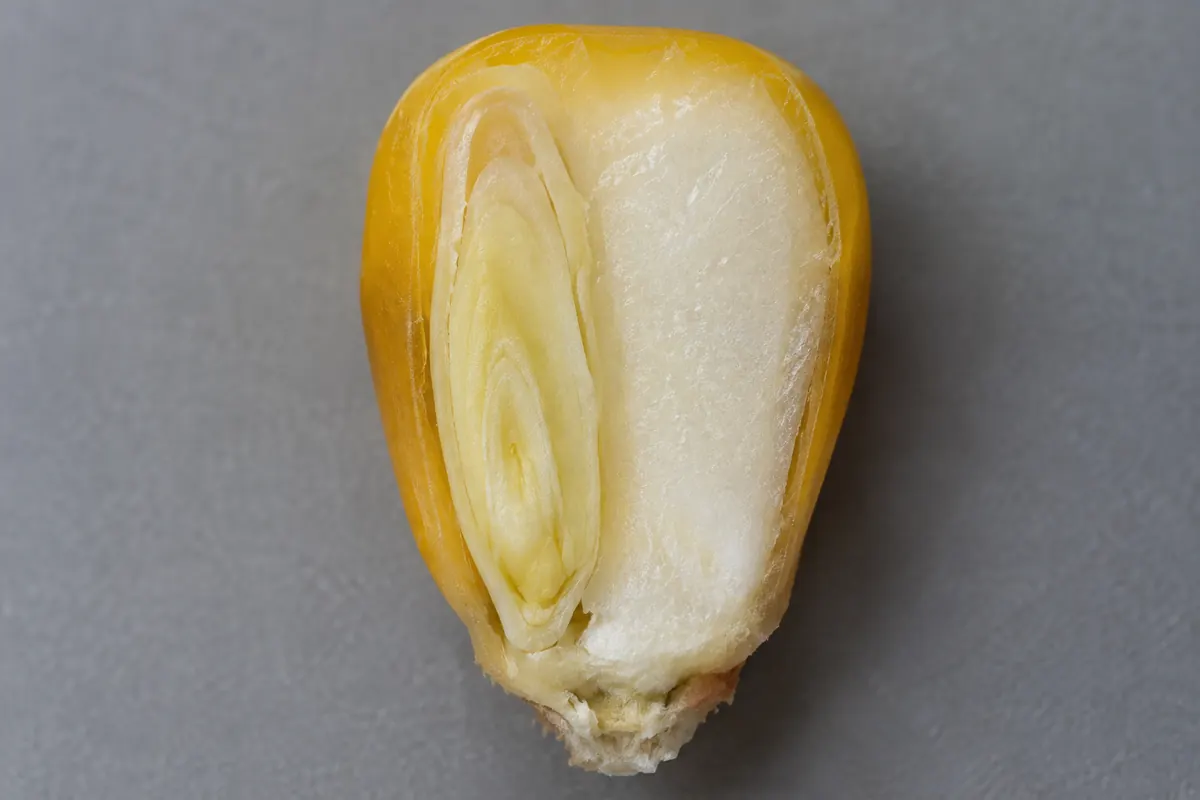
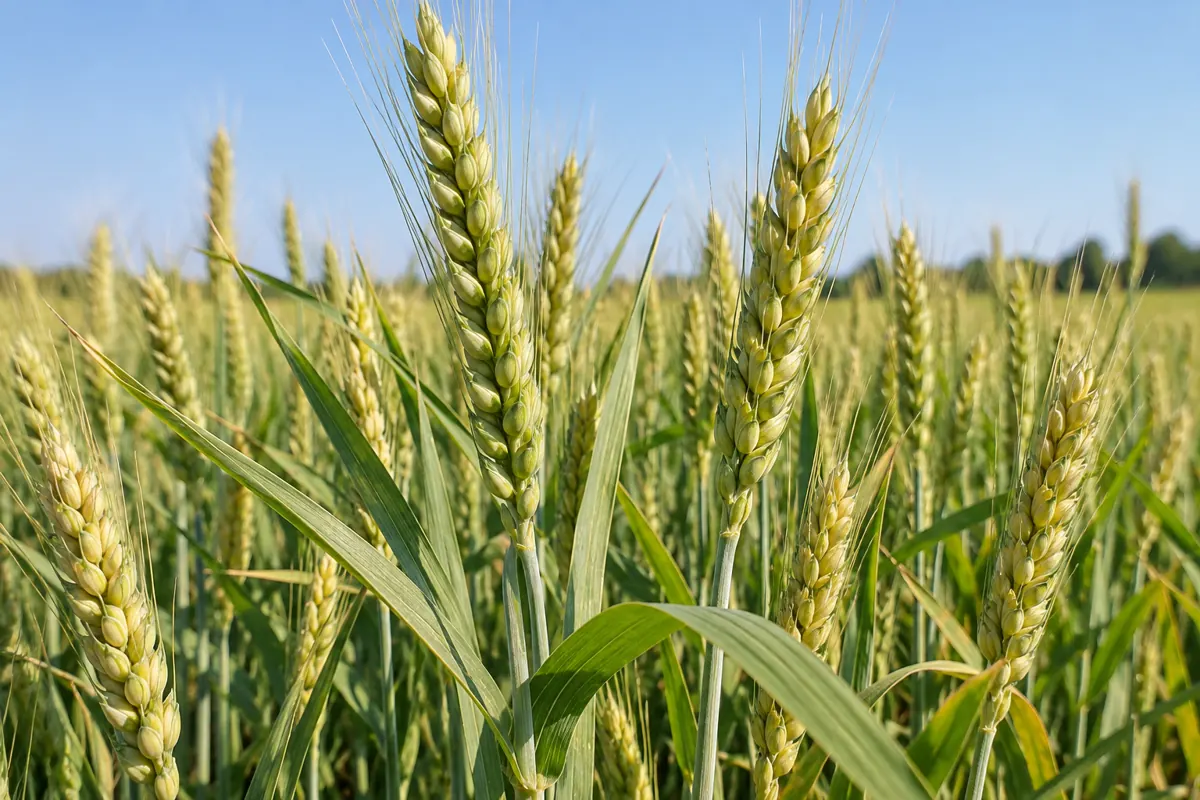
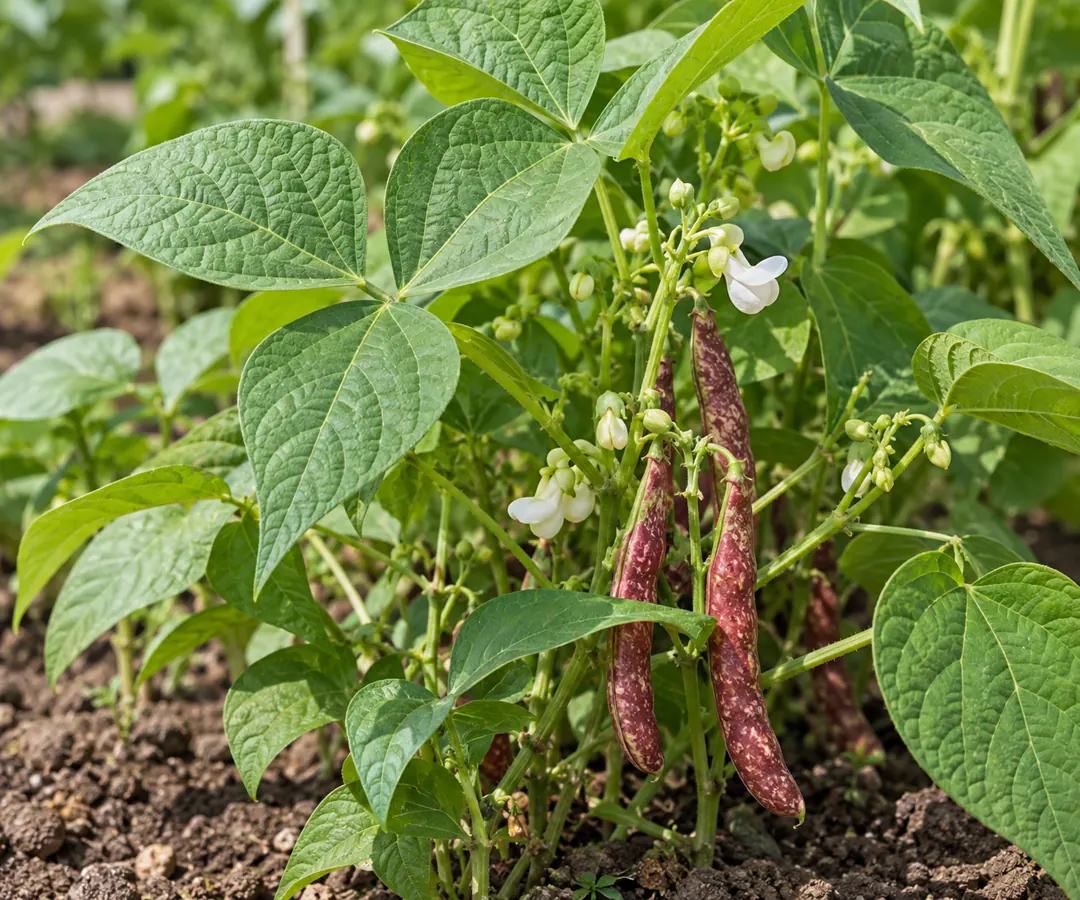
Textbook pages 19–20A cotyledon is a seed leaf. Dicots have two cotyledons and commonly have net-like leaf veins and a taproot. Monocots have one cotyledon and commonly have parallel veins and fibrous roots.
Remember the trio
Dicot → two cotyledons → generally reticulate veins → generally taproot. Monocot → one cotyledon → generally parallel veins → generally fibrous roots.
Apply it
Radish is a swollen taproot, so expect net-like venation in its leaves. Use several features when identifying an unfamiliar plant.
Group animals by movement
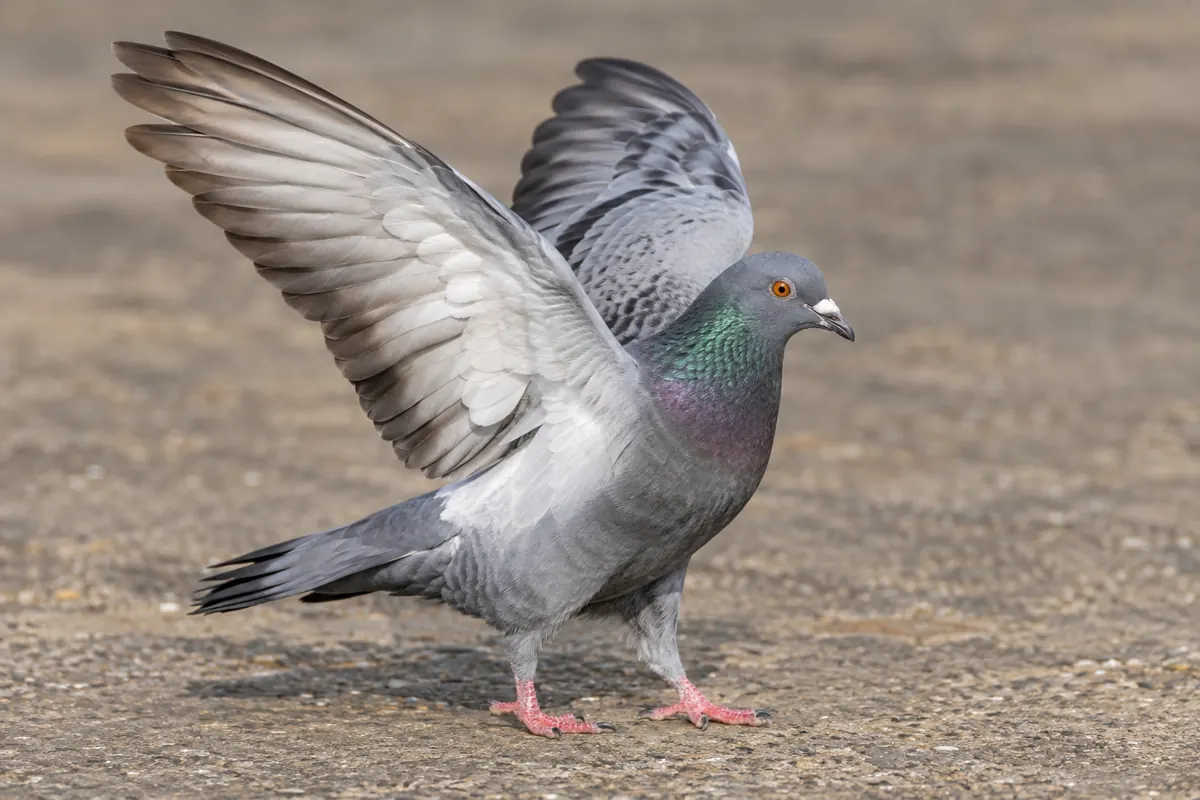
Textbook pages 20–23Animals can walk, jump, fly, crawl or swim. The same animal may move in several ways: a pigeon uses legs to walk and wings to fly. Record both the movement and the body parts used.
Different rules, different groups
You can group animals by movement, food, habitat or body features. Say which rule you used. An ant walks with legs; a housefly walks with legs and flies with wings.
Think
A bird can fly, yet it rests and nests on land or in trees. “Can fly” is a movement clue, not a complete description of habitat.
Habitats: places to live
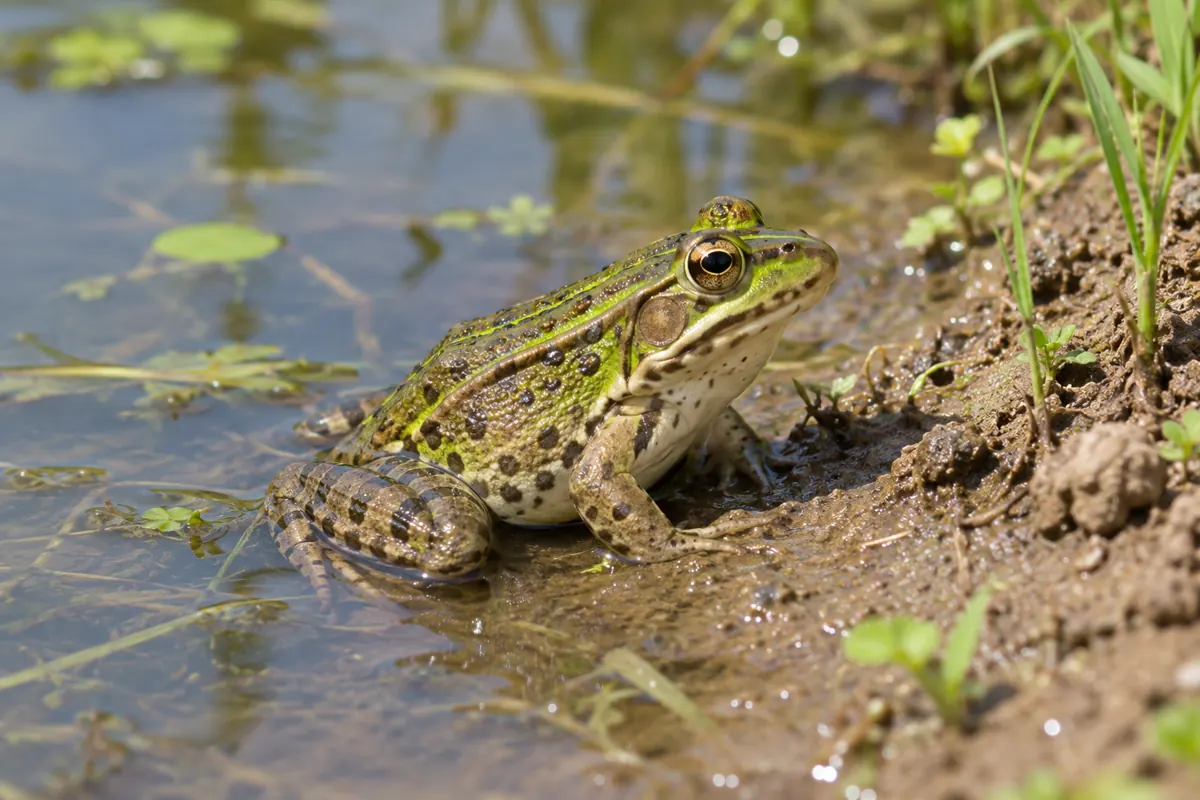
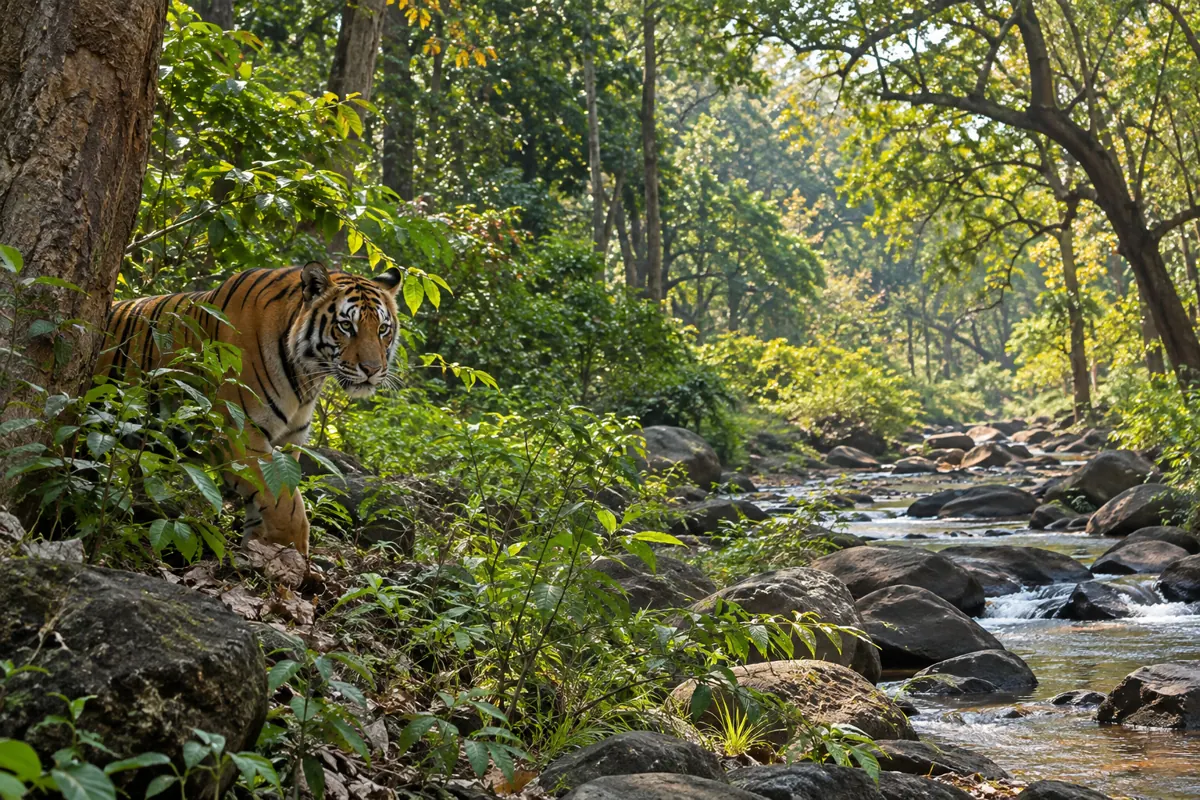
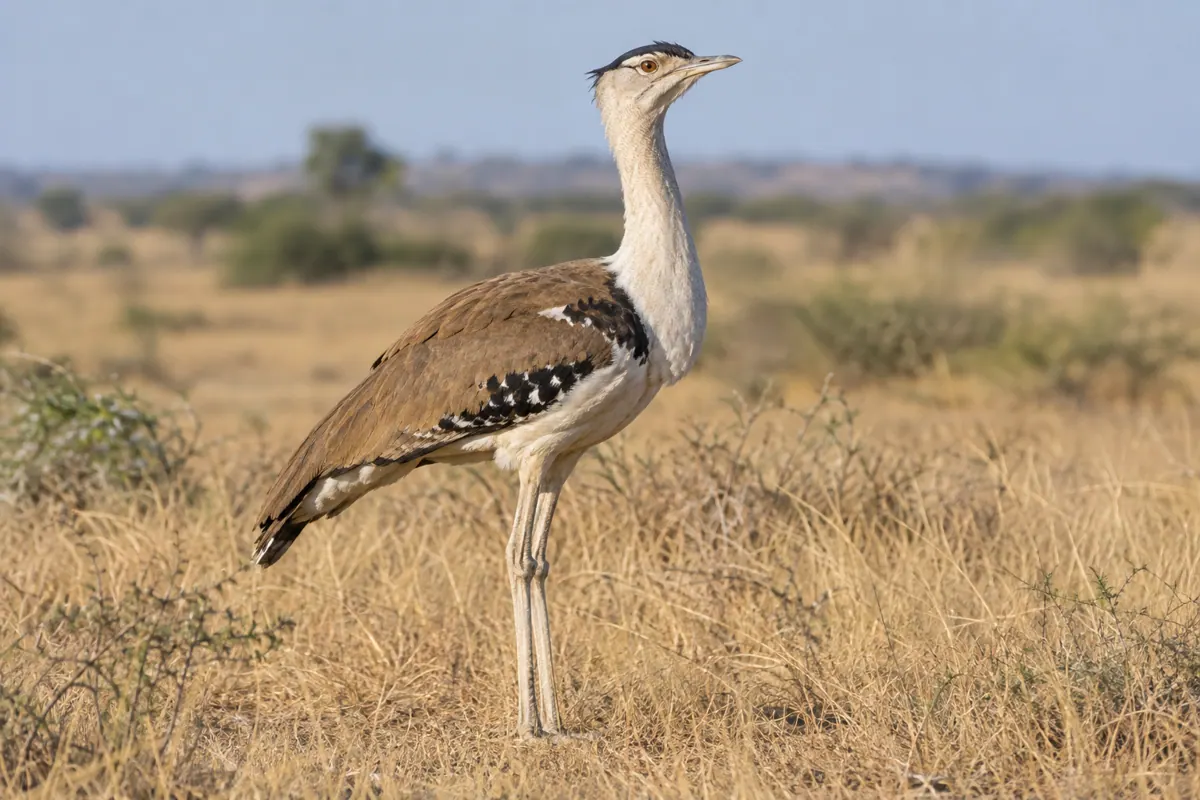
Textbook pages 23, 27–28A habitat is the place where a living thing lives and gets what it needs. Forests, deserts and grasslands are terrestrial habitats; rivers, ponds and oceans are aquatic habitats.
Avoid a mix-up
A crocodile uses both land and water, but it is a reptile. Living in both places alone does not make an animal an amphibian. A sea turtle lives in the sea.
When a habitat is damaged
Animals and plants can lose food, water and shelter. As populations fall, biodiversity can decline.
Adaptations fit different regions
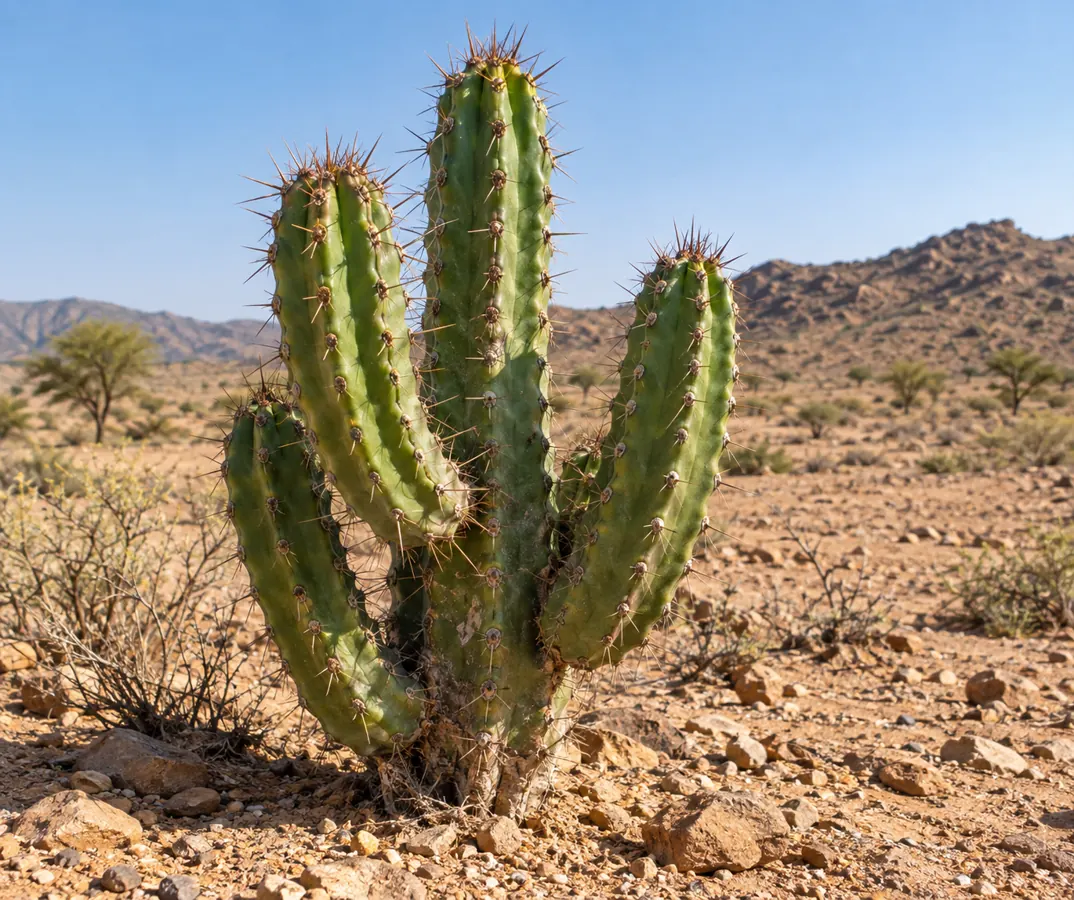
Textbook pages 24–27, 33An adaptation is a feature that helps a living thing survive in its surroundings. Explain each example as feature → what it does → where it helps.

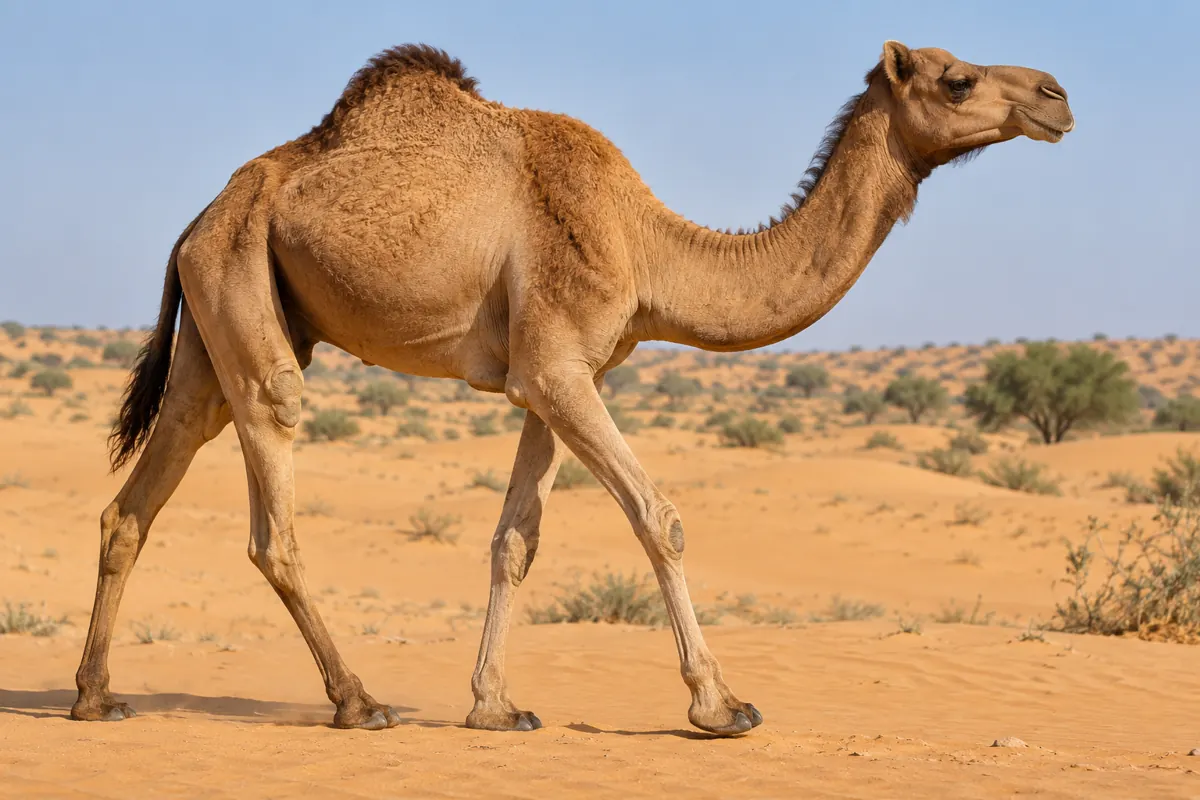
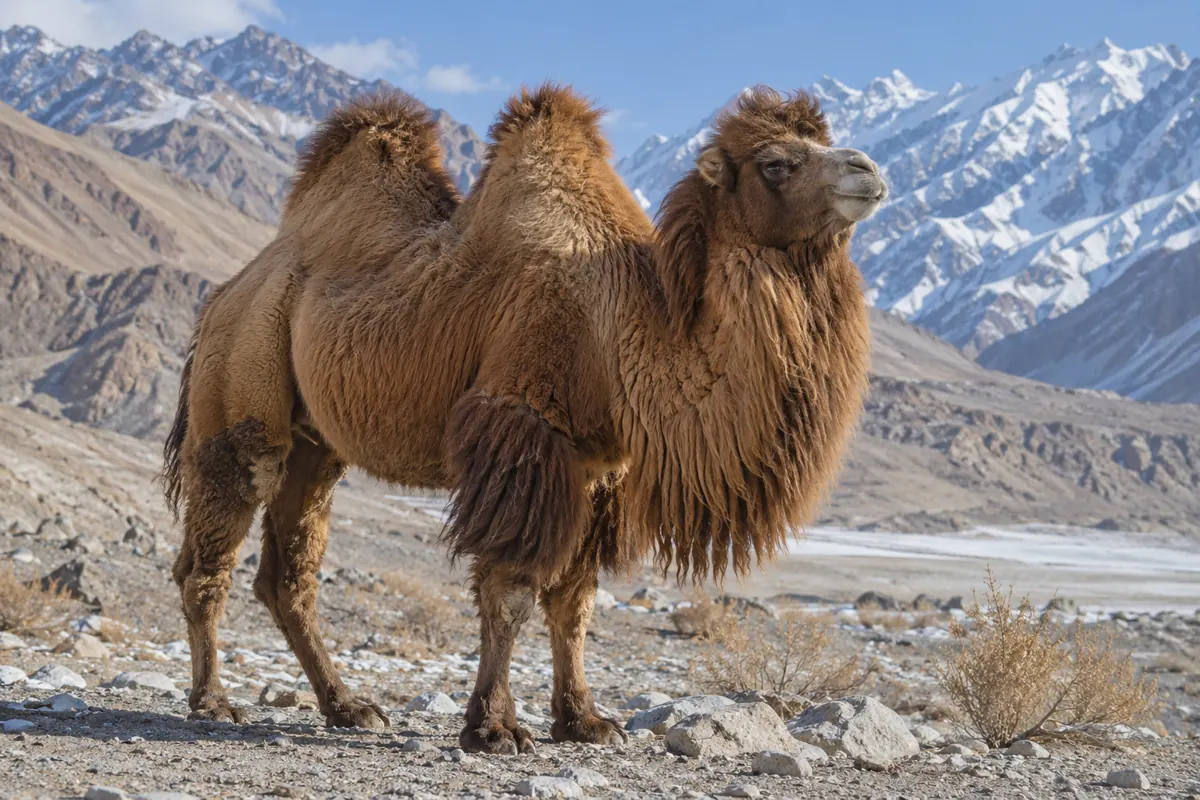
Camel fact
A camel’s hump stores fat, not a tank of water. Broad feet help on sand. A cold-desert camel has two humps and longer winter hair. Small amounts of urine and dry dung help conserve water.
Region matters
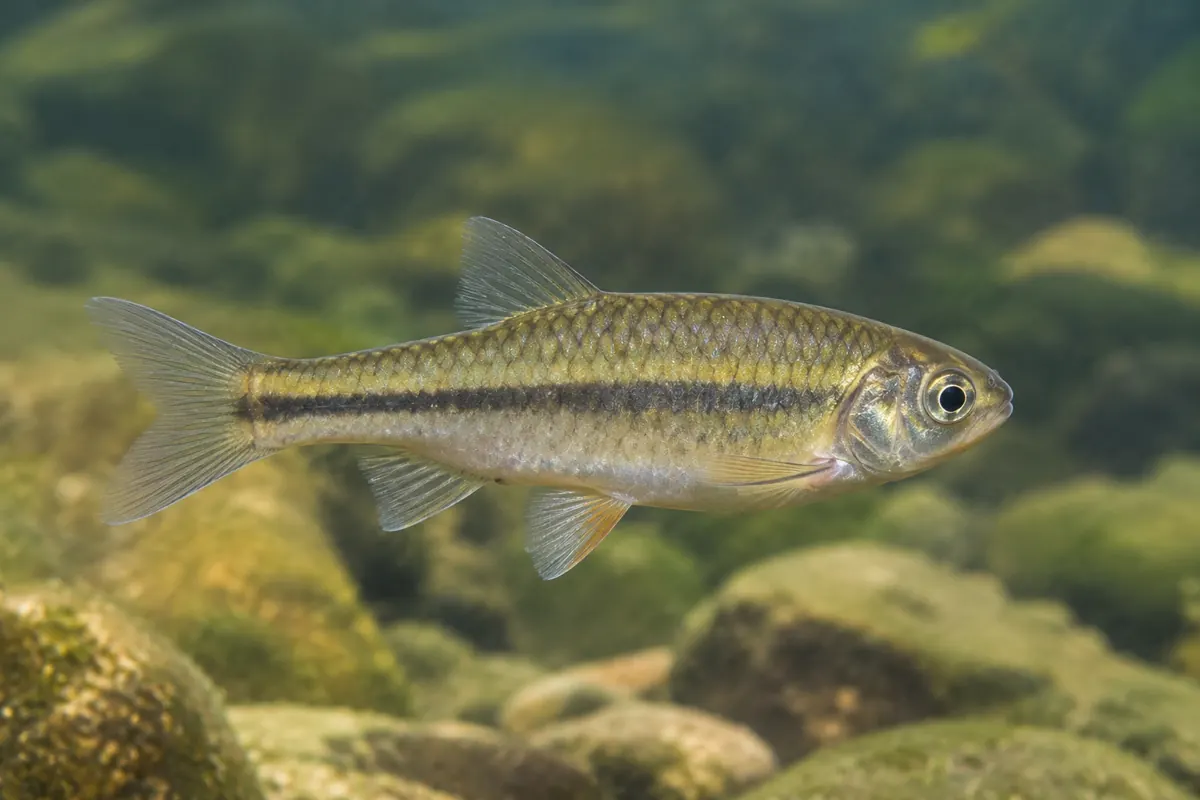
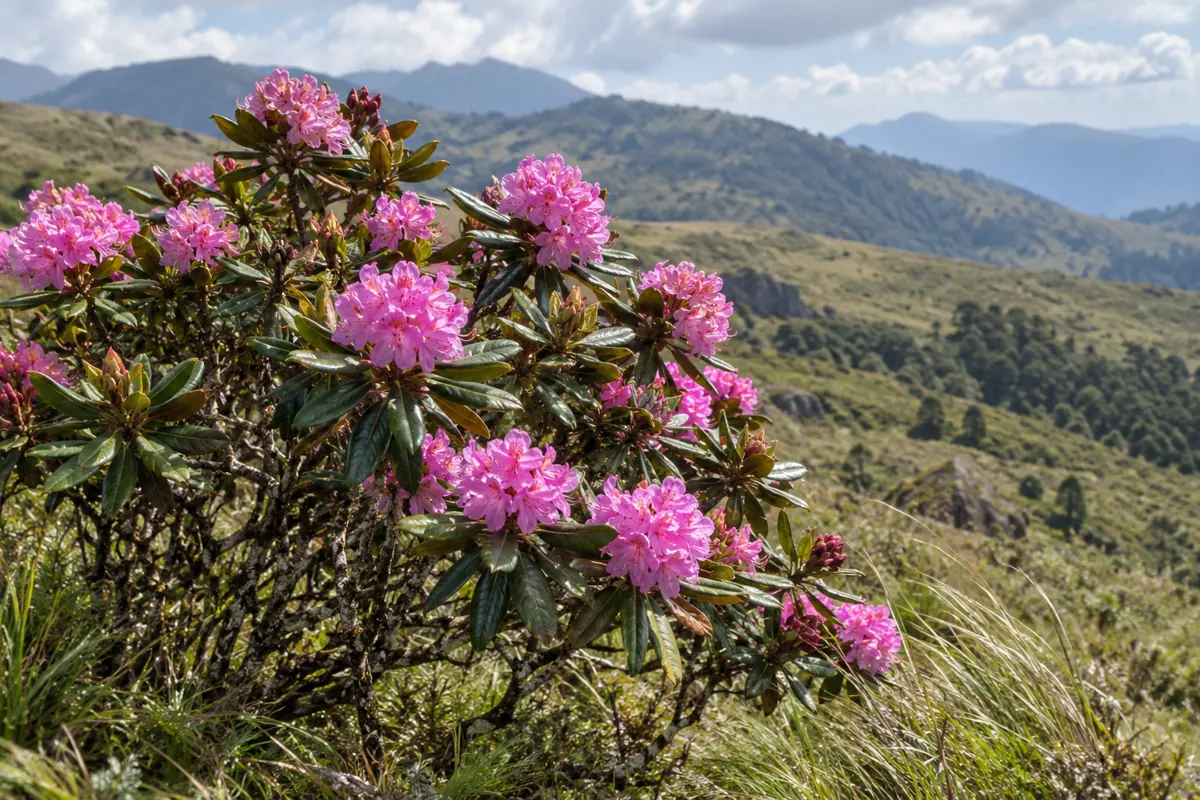
Hot deserts have little water and can be hot by day but cold at night. A streamlined fish body helps in water; a thick coat helps a mountain goat in cold conditions. The textbook compares shorter Nilgiri rhododendrons with taller ones in Sikkim. Always connect a feature to its surroundings.
Protect the variety of life
Textbook pages 27–30When habitats are damaged, plants and animals lose the resources they need. Protecting living places helps protect biodiversity. Sacred groves are forest patches protected by local communities.
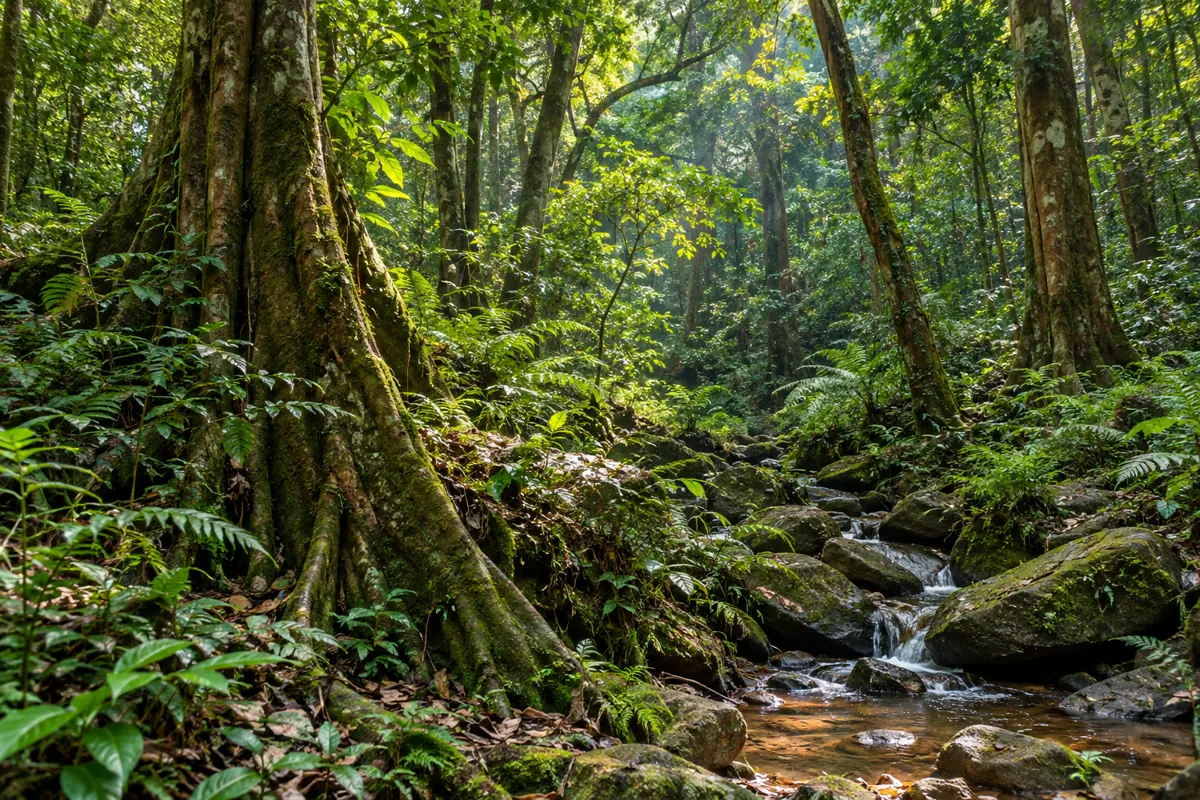
Examples in the chapter
Project Tiger began in 1973. The textbook also describes cheetah reintroduction and protected Great Indian Bustard habitats.
People who helped
Botanist Janaki Ammal studied and documented India’s plants. Salim Ali observed birds and their habitats. People’s efforts helped save Kerala’s Silent Valley forest from a proposed dam.
Observe and act
Learn about local plants and birds, reduce litter, avoid disturbing nests, and discuss habitat changes with elders.
Try the textbook activities
Activities 2.1–2.10 • pages 10–24You can learn this chapter by observing living things. Work with a teacher or adult when handling seedlings or soaked seeds.
2.1 Observe and record
On a nature walk, write down the weather and five plants or animals. For each plant, notice stem, leaf and flower; for each animal, note where it lives, what it eats and how it moves. Use fallen leaves only.
2.2 Appreciate the variety
Think of one plant and one animal you have noticed closely. Draw each. Compare your drawings with classmates: how many different kinds did the class find?
2.3 Choose a grouping rule
Group picture cards first by habitat, then by movement or stem. Explain why a card can move to a new group when the rule changes.
2.4 Herbs, shrubs and trees
Observe height, stem hardness and where branches begin. Use all three clues to decide whether a plant is a herb, shrub or tree.
2.5 Compare leaf veins
Find fallen hibiscus-like and grass-like leaves. Trace their veins. Which veins make a network? Which run alongside one another?
2.6 Look at roots
With a teacher, inspect nursery seedlings. Find a main root with side roots and a bunch of thin roots. Replant the seedlings.
2.7 Join leaf and root clues
Before planting five nursery saplings, record each one’s leaf-vein pattern and root type. Do the patterns usually match?
2.8 Investigate seeds
Soak chickpea and maize for two or three days with a teacher. Open the chickpea carefully to find two cotyledons; compare with a maize grain.
2.9 Animal movement chart
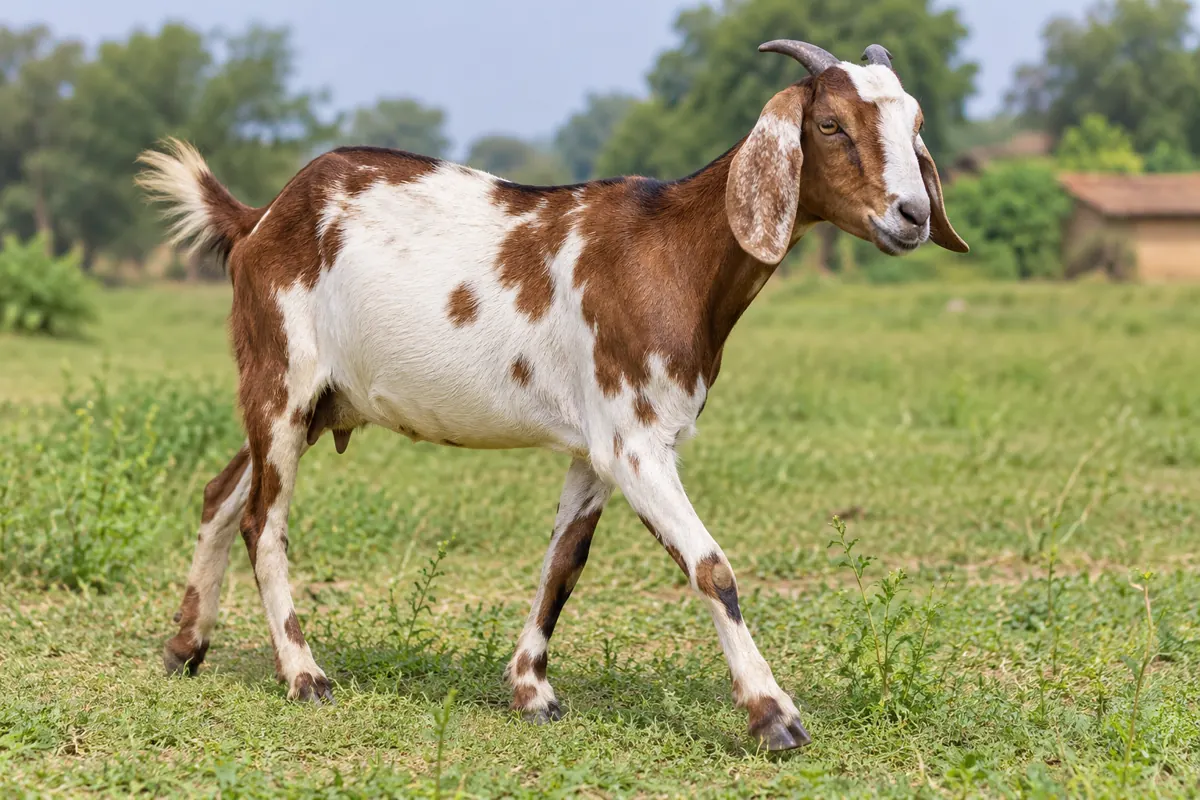
List an ant, goat, pigeon, housefly and fish. For each, record how it moves and which body parts it uses.
2.10 Compare regions
Make columns for desert, mountain, ocean and forest. Add a plant or animal to each, then explain one feature that helps it there.
Textbook question guide
“Let us enhance our learning” • pages 31–33Try each question in your textbook first. Open the short answer to check your reasoning.
1. Wheat and kidney bean
Wheat generally has fibrous roots and parallel leaf veins. Kidney bean generally has a taproot and net-like, reticulate veins.
2. Land, water or both
Aquatic: dolphin and whale. Terrestrial: horse, sheep, squirrel, earthworm, pigeon and tortoise. Both: frog and crocodile. A crocodile is a reptile, not an amphibian.
3. Radish root
The swollen edible part is a taproot. Radish leaves generally have reticulate venation.
4. Mountain goat and plains goat
Both are goats with four legs and hooves. A mountain goat has a thicker coat and features suited to cold, rocky terrain. Explain how its surroundings differ from the plains.
5. Group by a different feature
Use backbone as the rule. Cow, pigeon, bat, tortoise, whale, fish and lizard have backbones. Cockroach and grasshopper do not.
6. If forests are cut
Plants and animals lose habitats, food and shelter. Protect existing forests, use resources carefully and restore damaged habitats.
7. Follow the flowchart
A can be hibiscus: it has leaves with reticulate veins. B can be grass: it has leaves, but its veins are parallel, not reticulate.
8. Is hibiscus a shrub?
Ask whether it has woody stems, whether several branches start close to the ground, and how tall it usually grows.
9. Seed groups A and B
A: a dicot such as chickpea or kidney bean; usually reticulate veins. B: a monocot such as wheat or maize; usually parallel veins.
10. Duck and pigeon feet
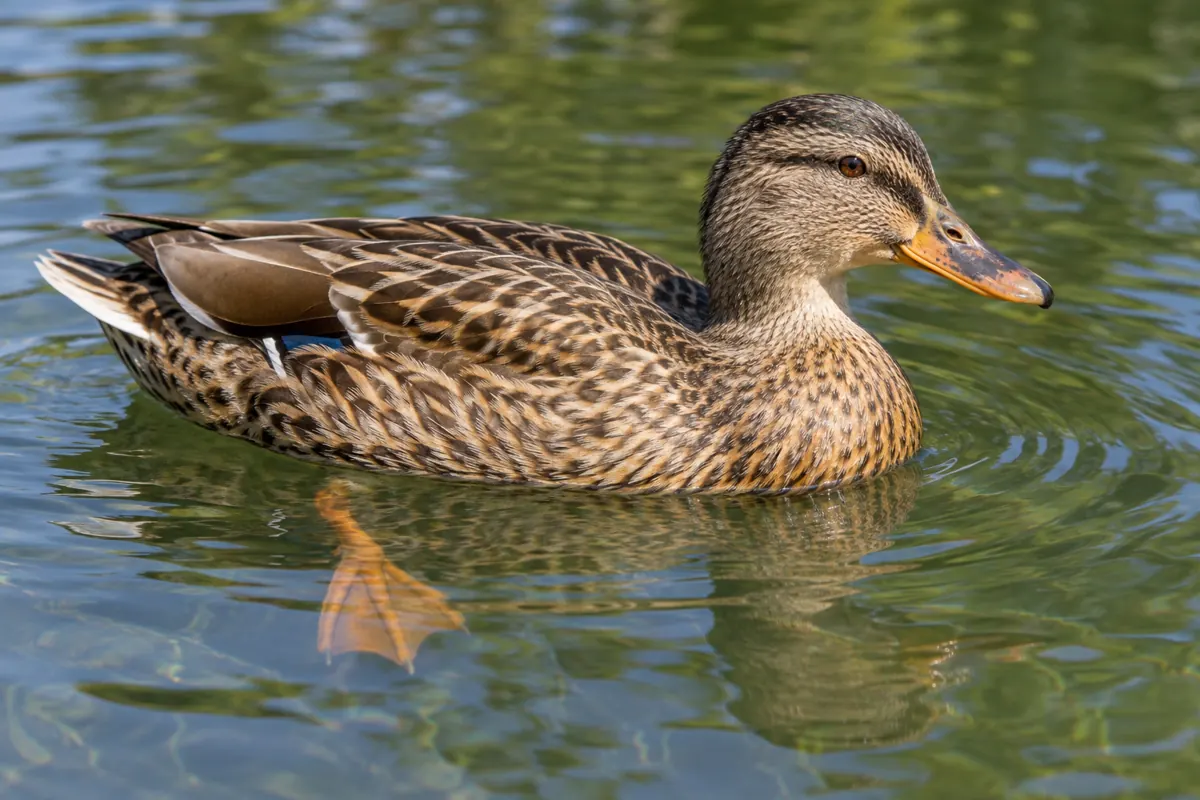
A duck’s toes are joined by webbing that helps it push water while swimming. A pigeon’s toes are separate.
Take the learning further
Textbook pages 33–34Local biodiversity register
With a teacher, label nearby plants using local names. On a class nature walk, combine everyone’s observations in one register. Compare the living things elders remember with those seen today.
Research a wildlife scientist
Find out about three scientists named in the textbook, such as Divya Mudappa, Usha Lachungpa, Ghazala Shahabuddin, Nandini Velho, Vidya Athreya, Uma Ramakrishnan or Divya Karnad. Explain what each studies or protects, using reliable sources.
Discuss protection
Investigate Project Tiger or another conservation project. Discuss one practical way your class can help protect local biodiversity.
Quick recall
Answer before opening each explanationWhat is biodiversity?
The variety of living things in a region contributes to its biodiversity.
How does a shrub differ from a tree?
A shrub has several woody stems branching close to the ground; a tree usually has a thicker trunk with branches higher up.
Which leaves commonly go with fibrous roots?
Leaves with parallel venation commonly go with fibrous roots.
How do monocots and dicots differ?
Monocots have one cotyledon; dicots have two. Their typical root and vein patterns also differ.
Why do deodar trees have sloping branches?
Snow can slide off more easily in snowy mountain conditions.
Why does habitat damage threaten biodiversity?
Plants and animals lose food, water, shelter and other resources; some populations may decline.
Record five plants or animals nearby, one distinguishing feature of each, and the place where you found it. Use the clues to make two different groupings.