SCIENCE · CLASS 6 · CHAPTER 12
✨ Beyond Earth
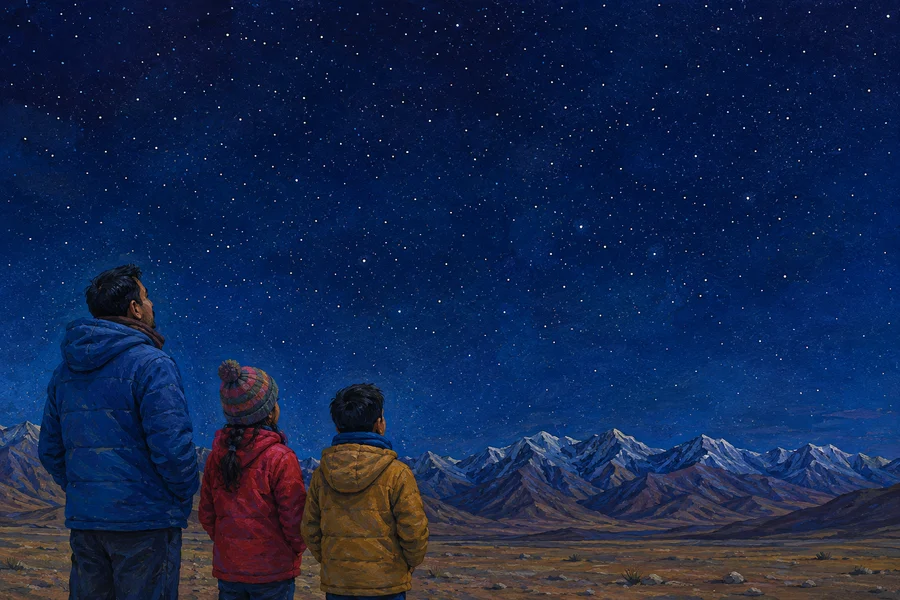
Yangdol and Dorjay look up at the clear night sky in Ladakh. Follow their questions from familiar star patterns to the planets, the Milky Way and the wider Universe.
Sky patterns help us find objects. The connecting lines are imaginary; the stars do not draw them.
Stars and constellations
Textbook pages 231–235
In Nubra, Yangdol and Dorjay can see many stars because clear, dark skies have little light pollution. A star makes its own light. Some stars only seem to form pictures when we draw imaginary lines between them. People in many cultures used such patterns for stories and finding directions. In modern astronomy a constellation is a defined region of sky; 88 such regions cover the sky. The familiar star pattern inside one is often also called a constellation.
Use textbook Fig. 12.2 or a safe sky photo. Connect selected dots with imagined lines, name an animal or object, and write a short story. Draw another pattern and compare it with a friend’s. Different sensible drawings are possible; do not treat your invented lines as objects actually joining the stars.
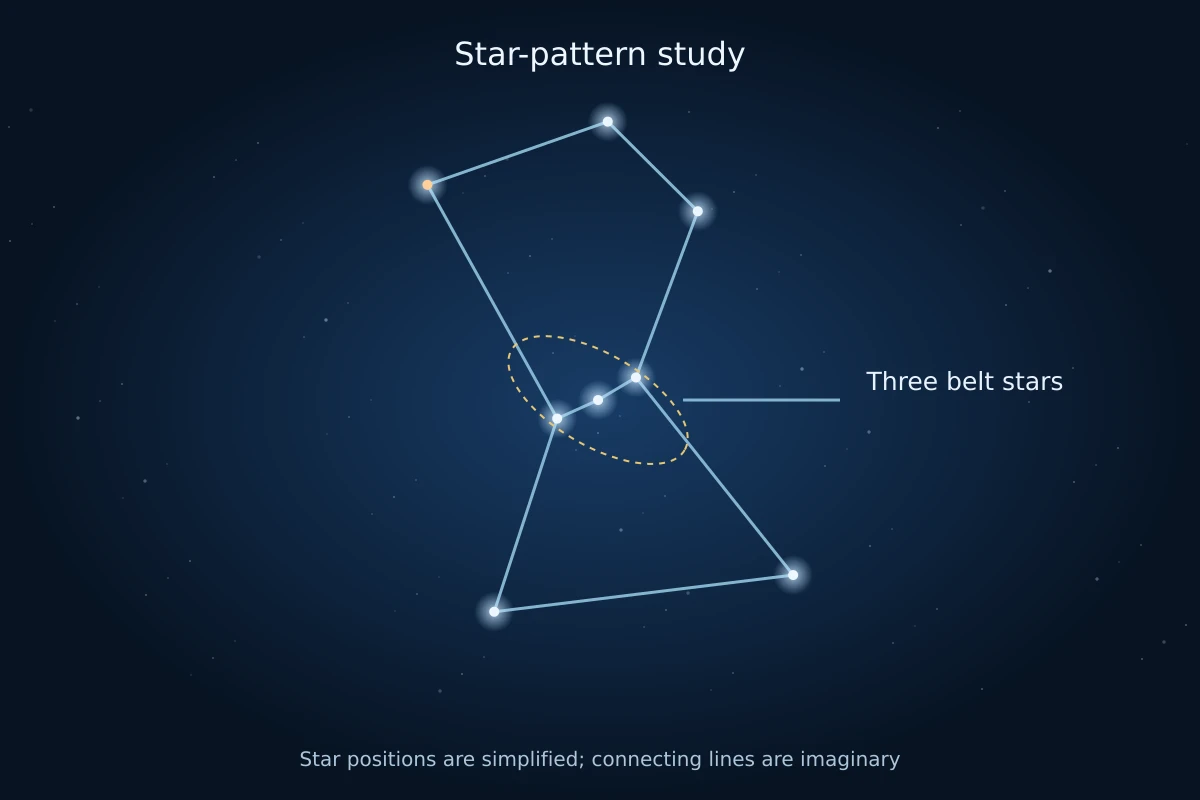
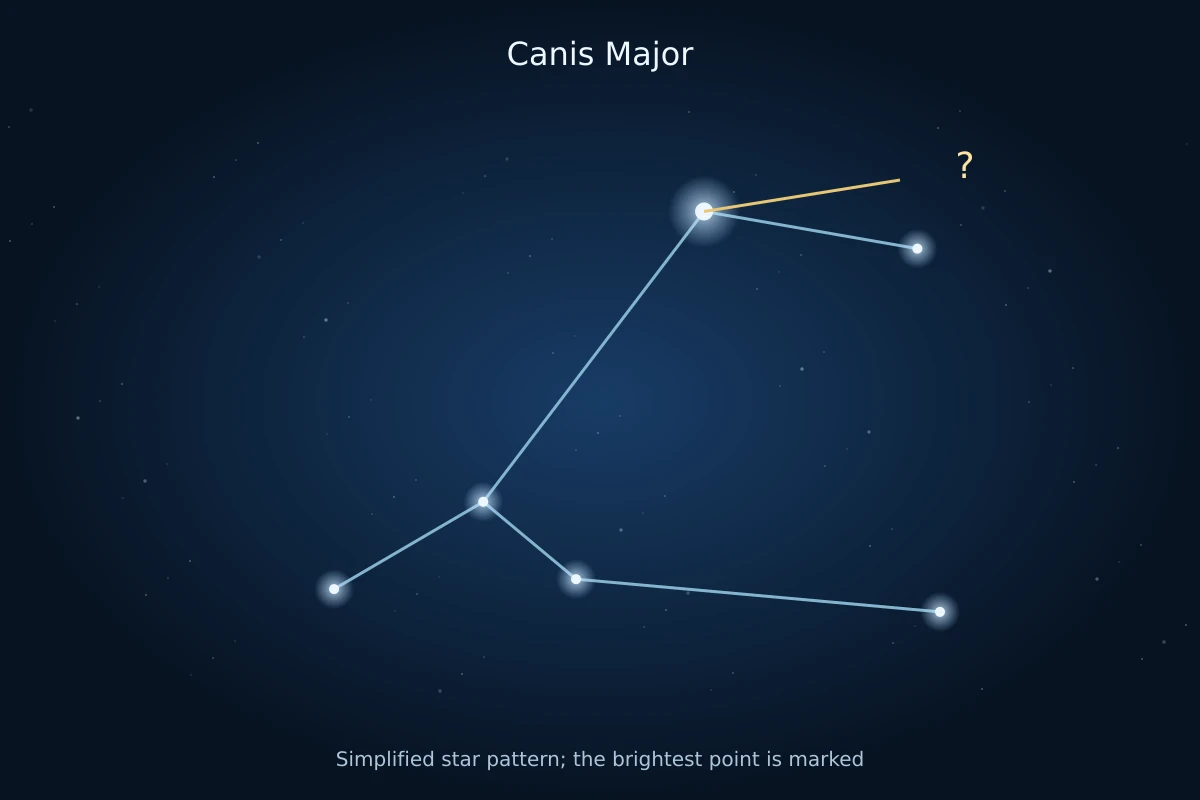
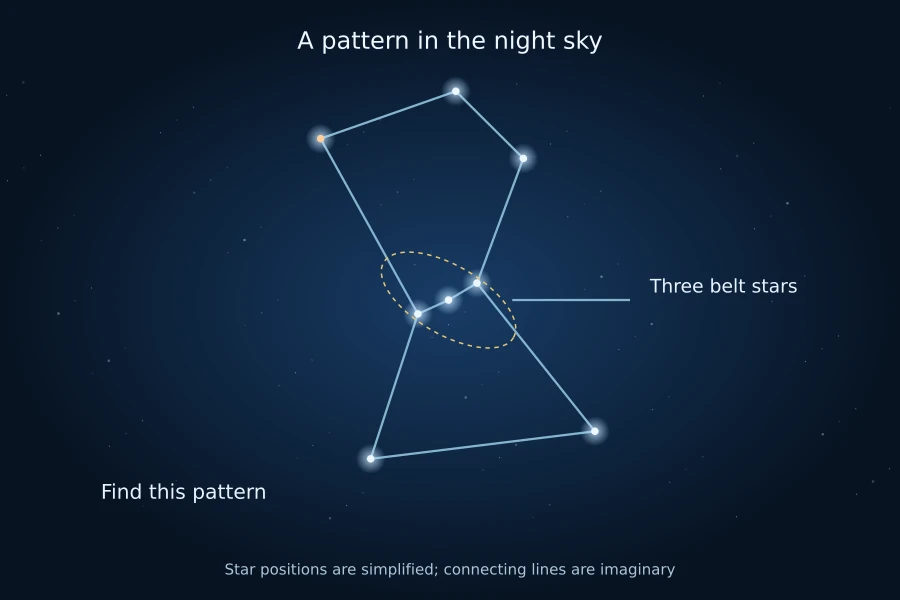
Orion is often pictured as a hunter; three bright stars in a short line form its “belt.” Canis Major includes Sirius, the brightest star in the night sky. Taurus includes Aldebaran and the Pleiades star cluster. The textbook also connects Indian names: Betelgeuse with Ārdrā, Aldebaran with Rohiṇī and the Pleiades with Kṛittikā.
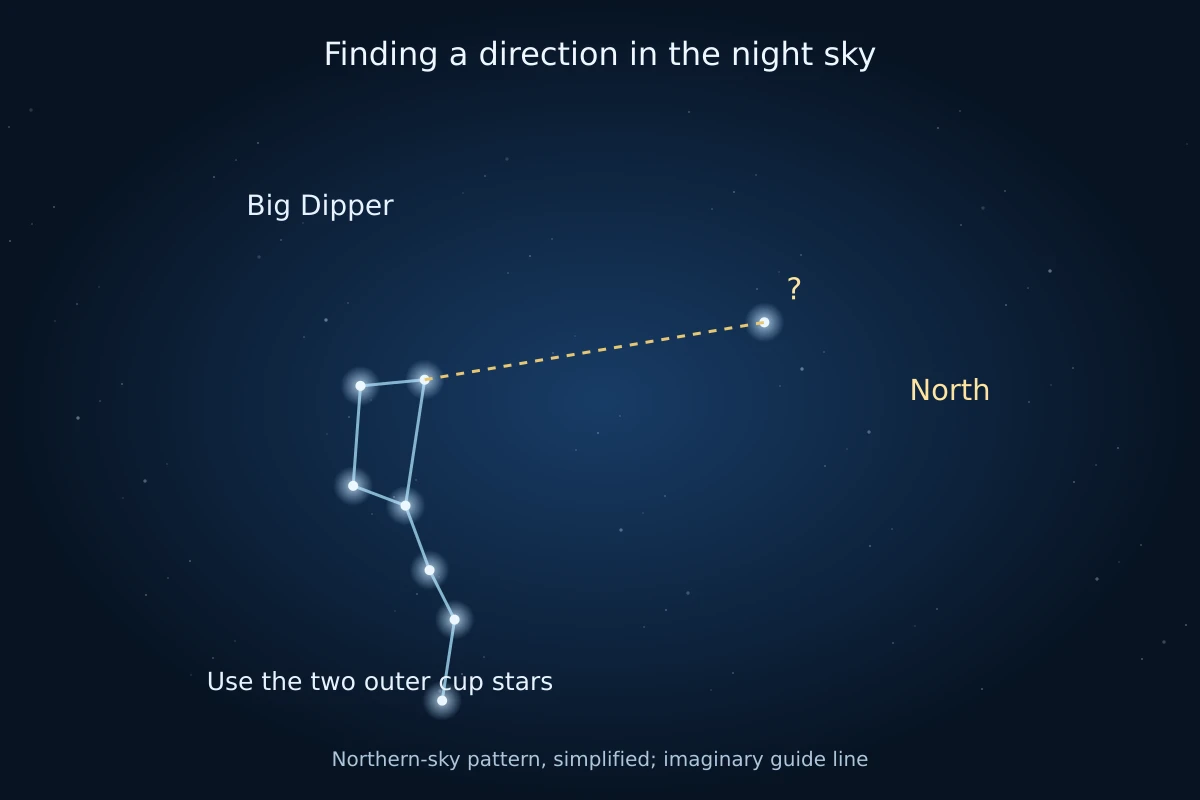
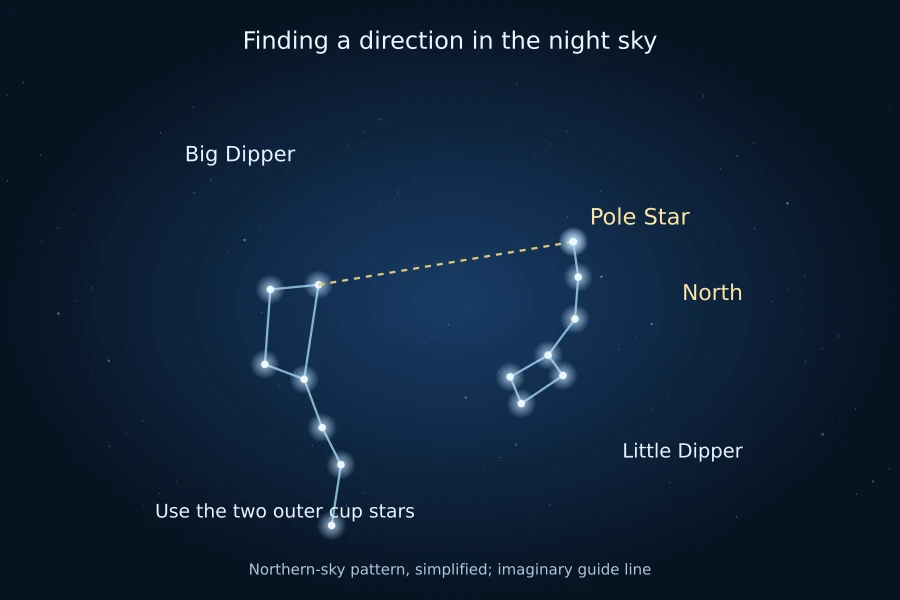
The Big Dipper is a seven-star pattern within Ursa Major and is called Saptaṛiṣhi in India. The Little Dipper belongs to Ursa Minor; its end star, Polaris or Dhruva tārā, appears nearly fixed toward north in the Northern Hemisphere. People in Central India and on the Konkan coast tell different stories about the same Big Dipper stars. A pattern can have different cultural names without changing the stars.
Watch the night sky safely
Textbook pages 236–238
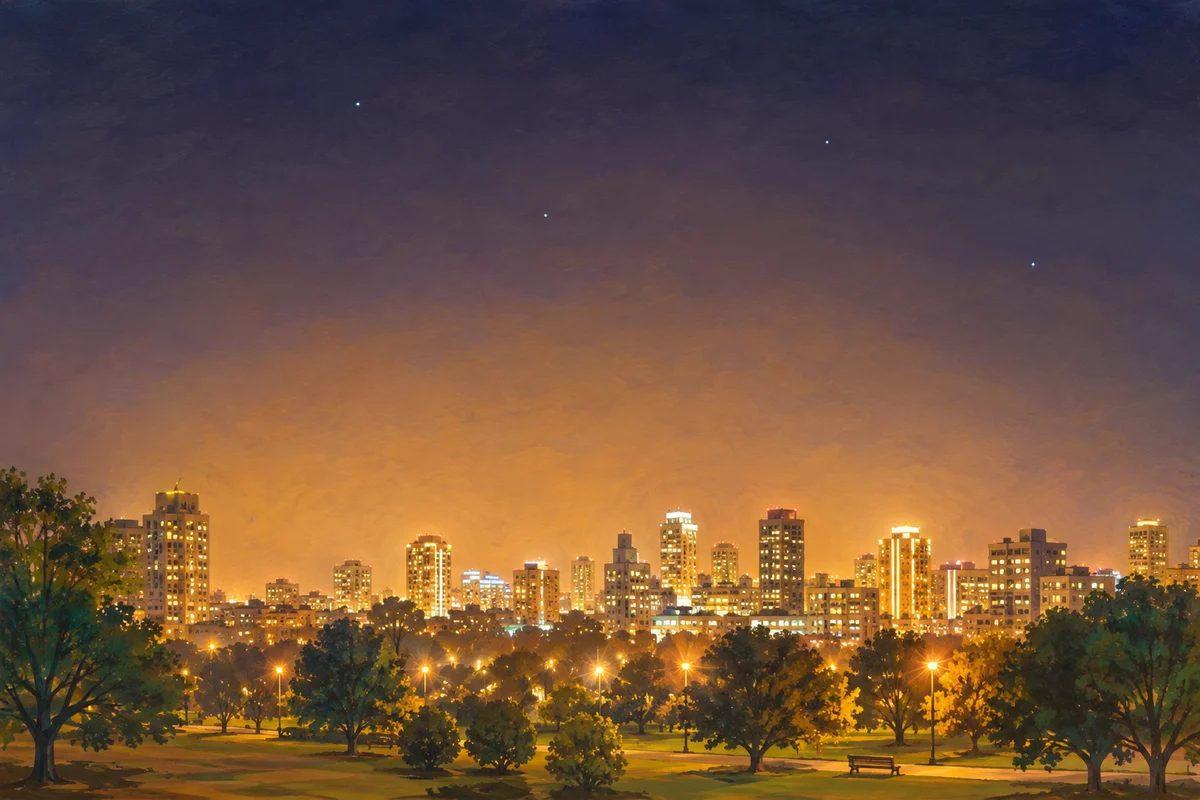
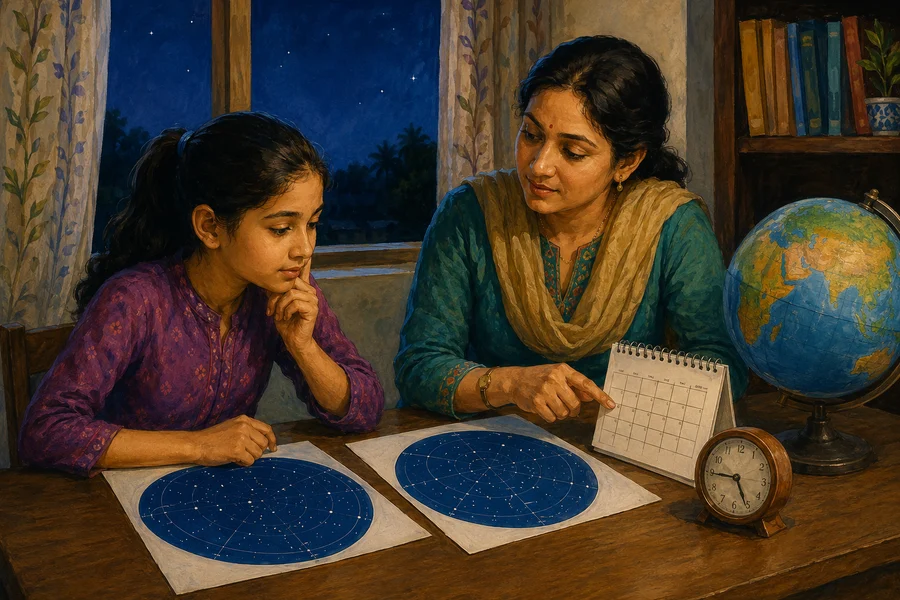
City lighting, smoke and dust can hide faint stars. Light pollution means excessive artificial light at night. Clouds, the Moon, buildings and trees also affect what you can see. Stars visible from one place or season may not be visible elsewhere; Polaris is not visible from the Southern Hemisphere. A sky map can help you choose a suitable date and direction.
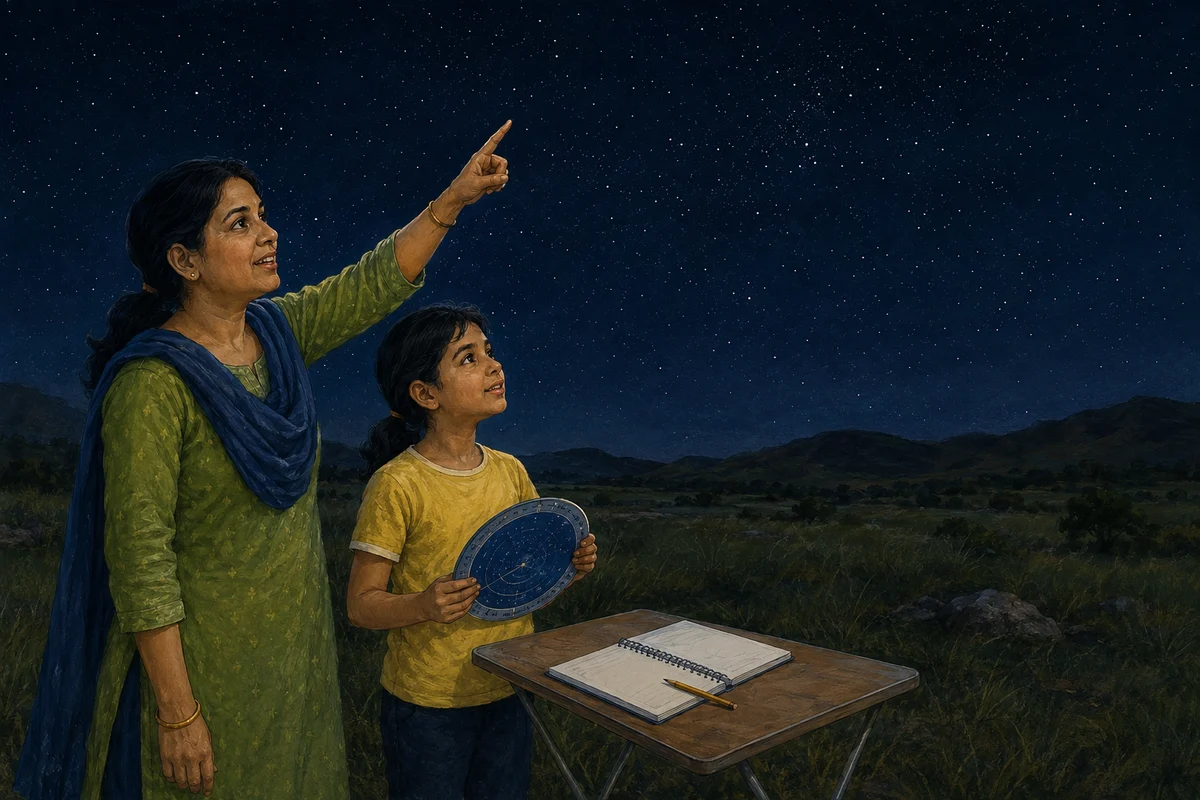
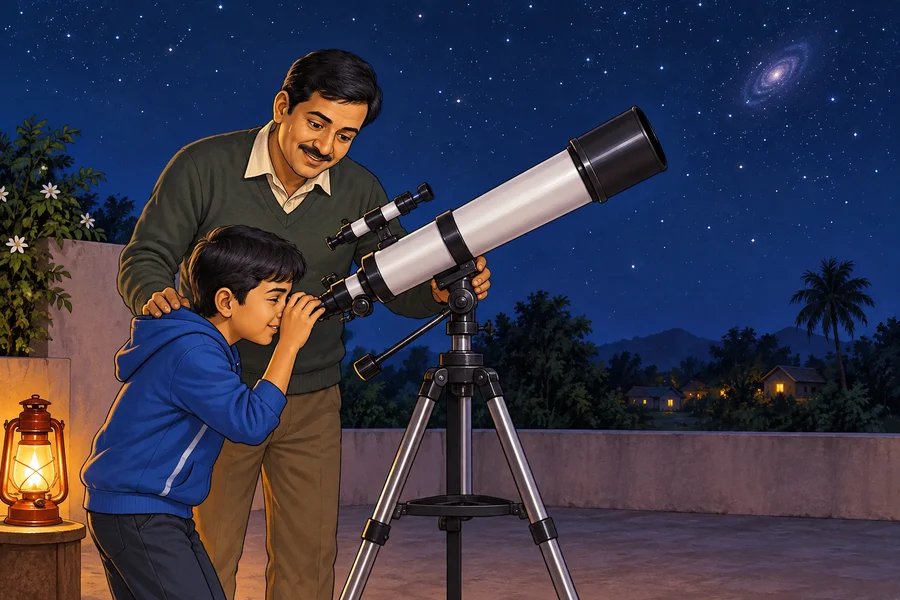
Plan an open, safe place with an adult; never go to a dark place alone. A moonless, cloudless night helps with faint objects. Take a sky chart, notebook and, if helpful, a compass. Let your eyes adjust to darkness for about half an hour and avoid bright lights. The textbook names Sky Map and Stellarium as examples of sky-map tools; use an up-to-date chart for your own location and date.
In India, try a clear summer evening around 9 p.m., looking north. Find the Big Dipper’s four-star “cup.” Extend an imaginary line through its two outer cup stars by about five times their separation to a less-bright star: Polaris. The pattern’s orientation changes with time. Confirm it using the textbook diagram and a sky map.
In India, Orion is usually well placed after sunset from December to April. Find its three aligned belt stars first. Extend their line in the direction shown in the textbook toward the bright Sirius, near Orion. Identify with a sky chart before labelling a photograph; the apparent angle changes when a picture is rotated.
Our Solar System
Textbook pages 238–243
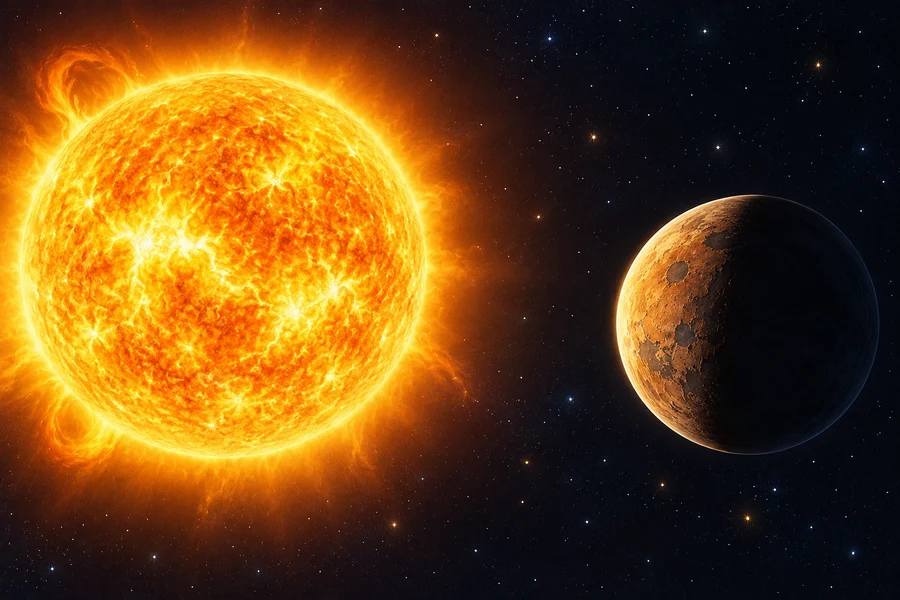
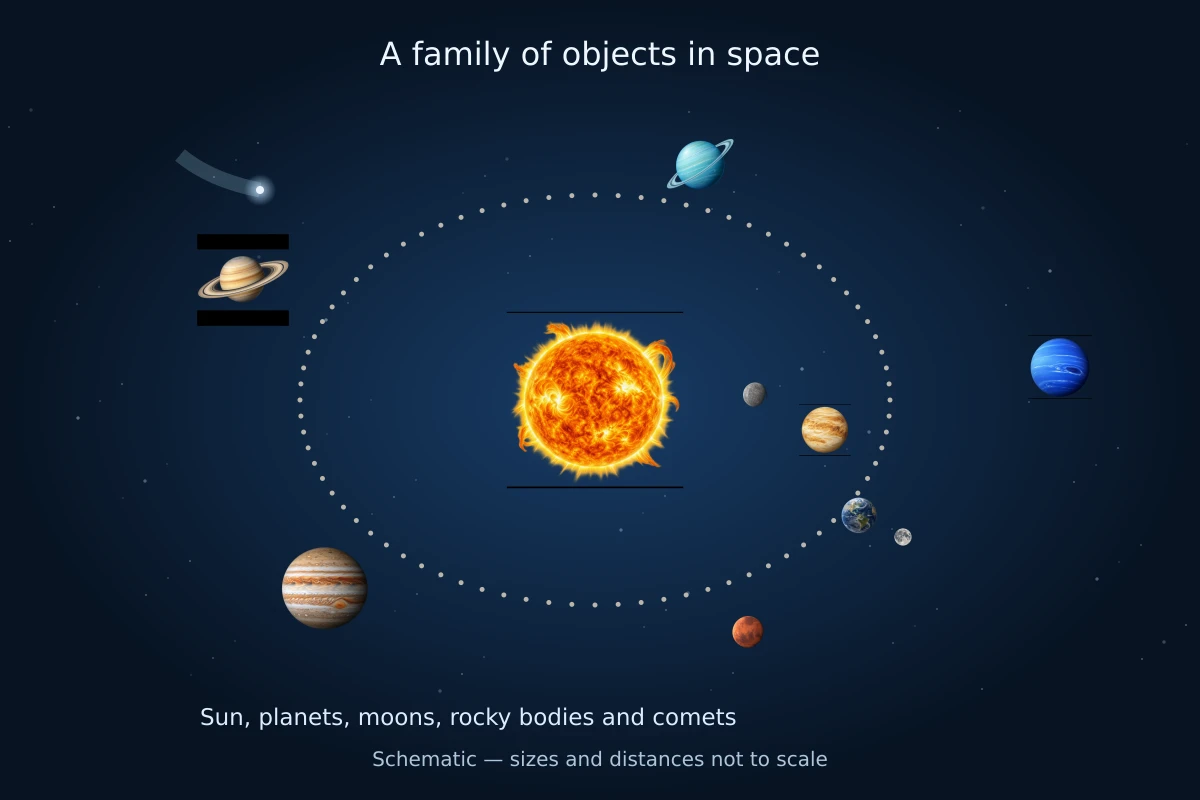
The Sun is our nearest star: a hot sphere that produces its own heat and light. Its diameter is roughly 100 times Earth’s. It is about 150 million km away, a distance called approximately one astronomical unit (1 au). Other stars are so much farther away that they look like points; sunlight makes the daytime sky too bright for us to see them from the ground. The next nearest star is Proxima Centauri, about 269,000 au away in the textbook’s comparison. Never look at the Sun directly or through binoculars or a telescope.
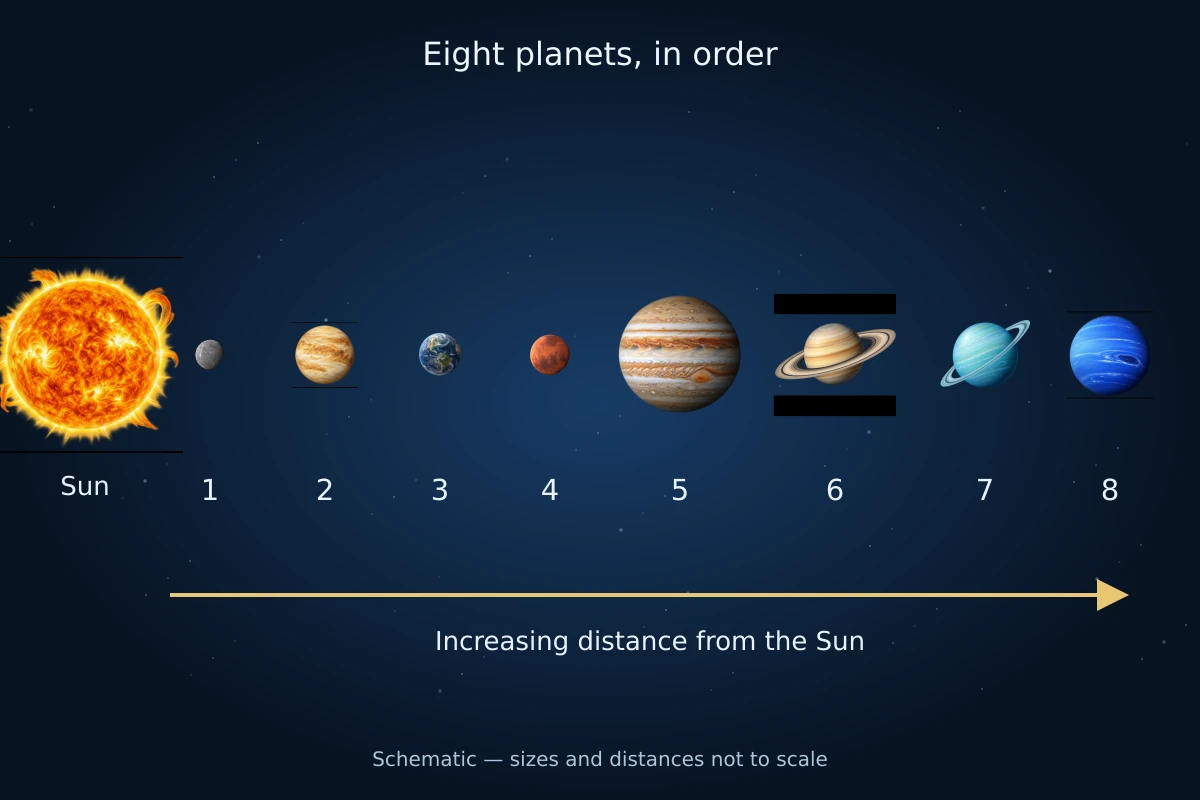
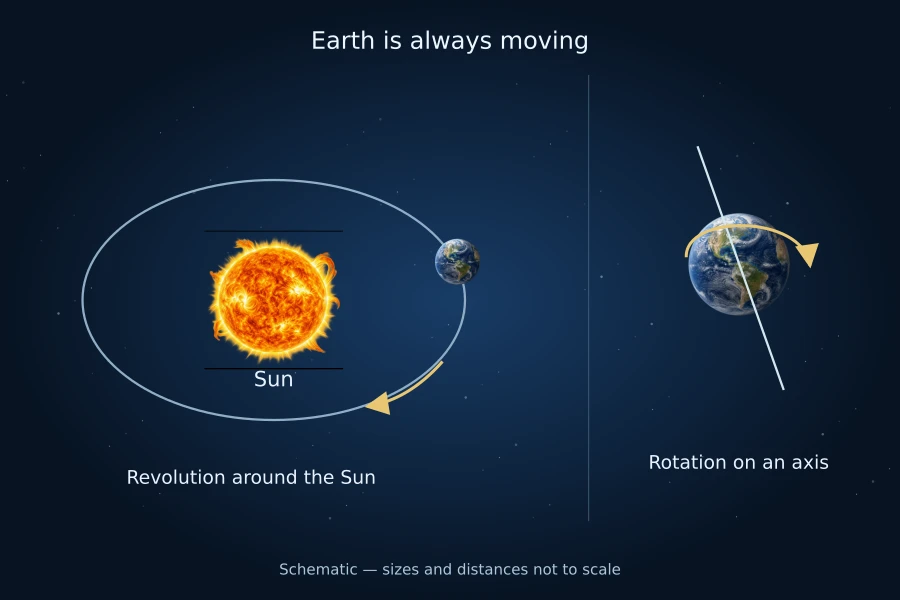
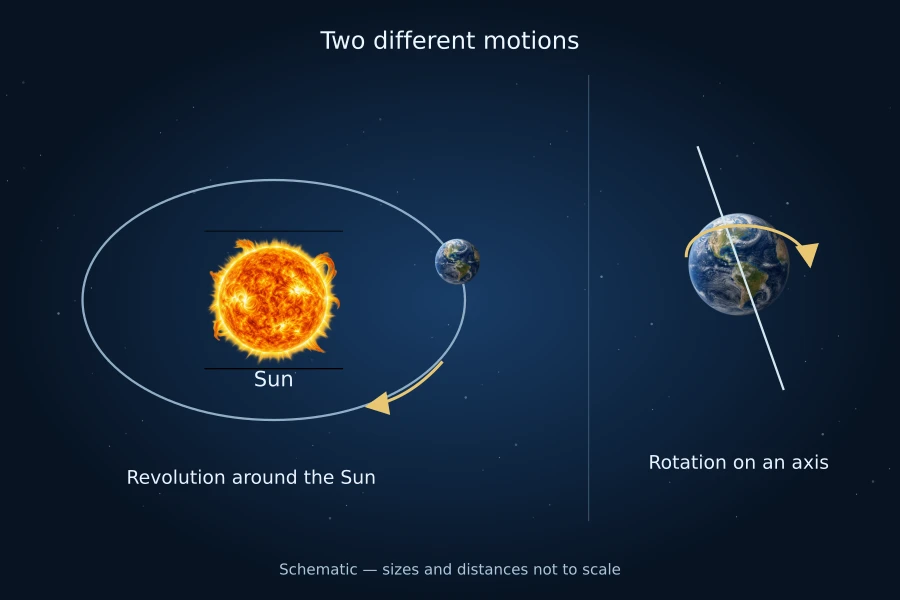
Revolution means going around another object: Earth revolves around the Sun in nearly one year. Rotation means turning around an axis: Earth takes about 24 hours for one turn. A planet is a large, nearly round object orbiting the Sun. Learn the order aloud: Mercury → Venus → Earth → Mars → Jupiter → Saturn → Uranus → Neptune. Pictures of the Solar System usually cannot show the actual distances and sizes to scale on one page.
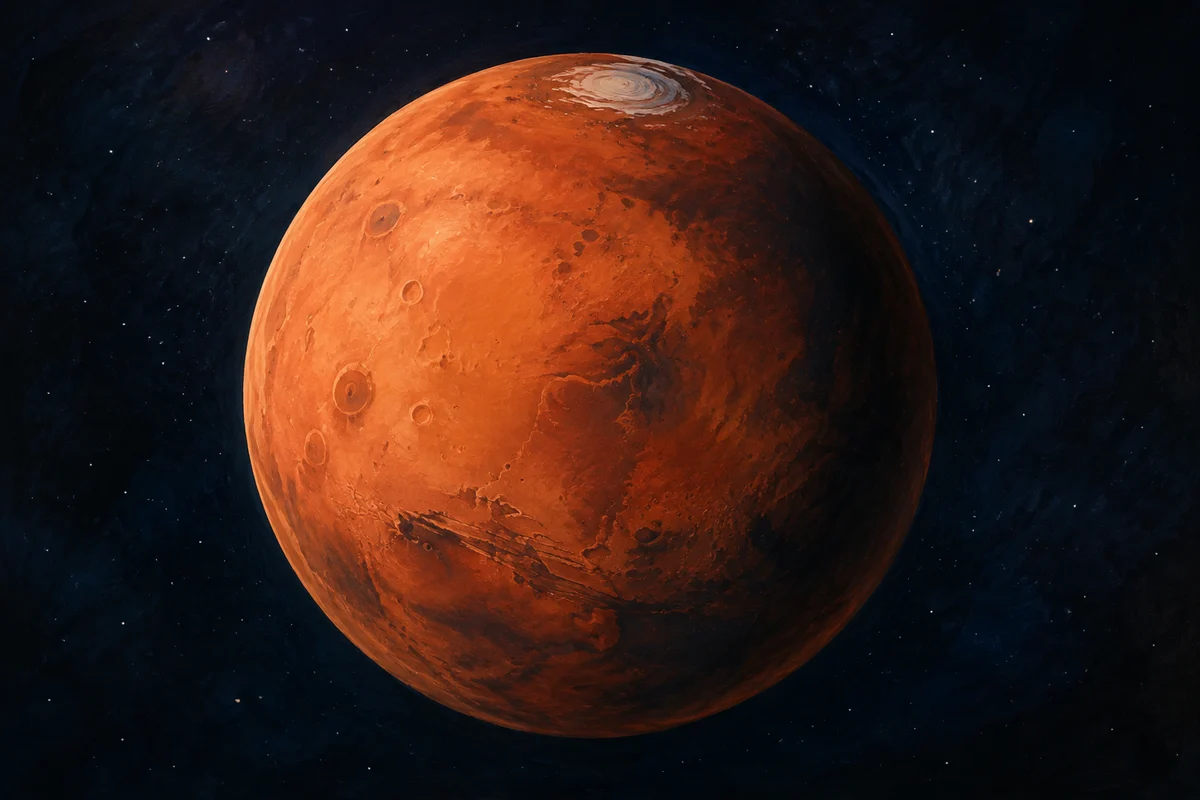
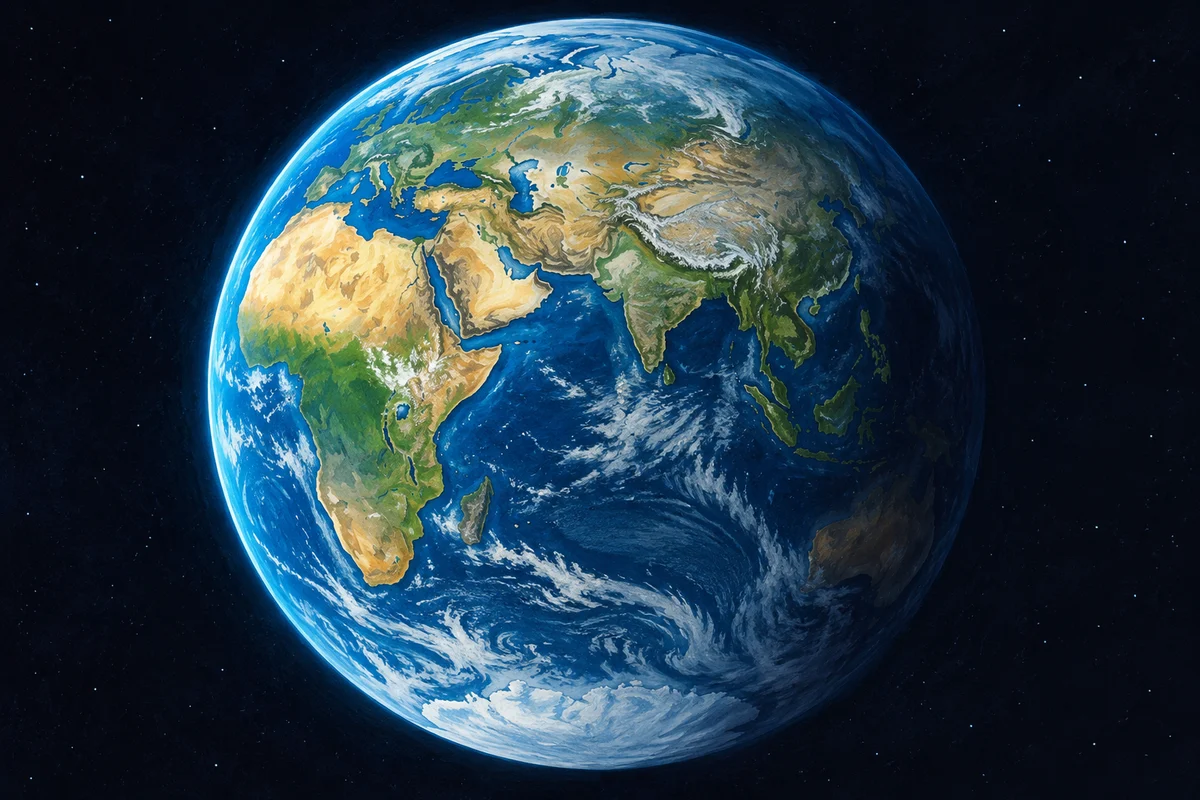
The inner four planets are smaller and rocky. The outer four are much larger giants, mainly gas and ice; all four have rings, though Saturn’s are easiest to notice. Venus is often called Morning or Evening Star, but it is a planet; its thick atmosphere helps make it hotter than Mercury. Mars looks reddish and Earth looks blue from space. Pluto is classed as a dwarf planet, not one of the eight planets, yet remains a Solar System object.
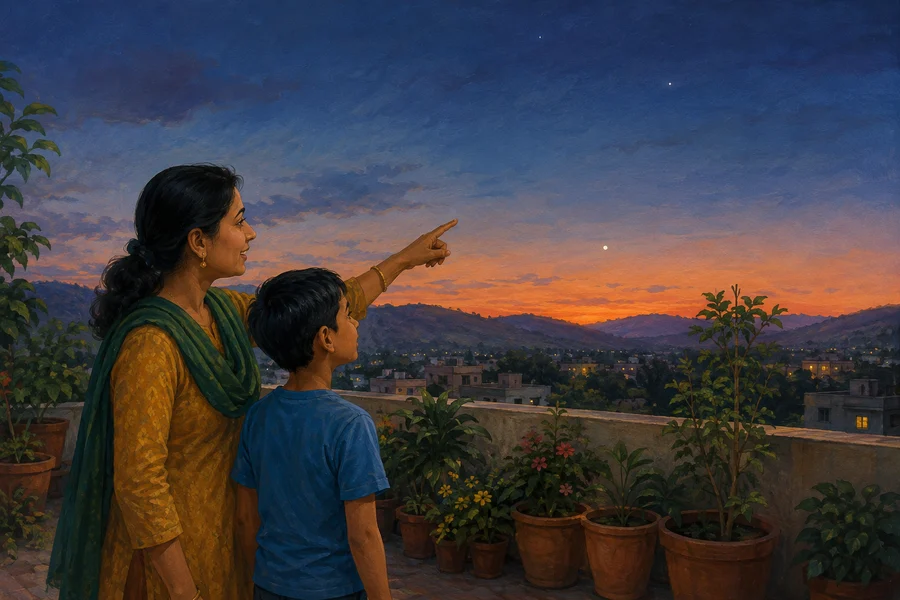
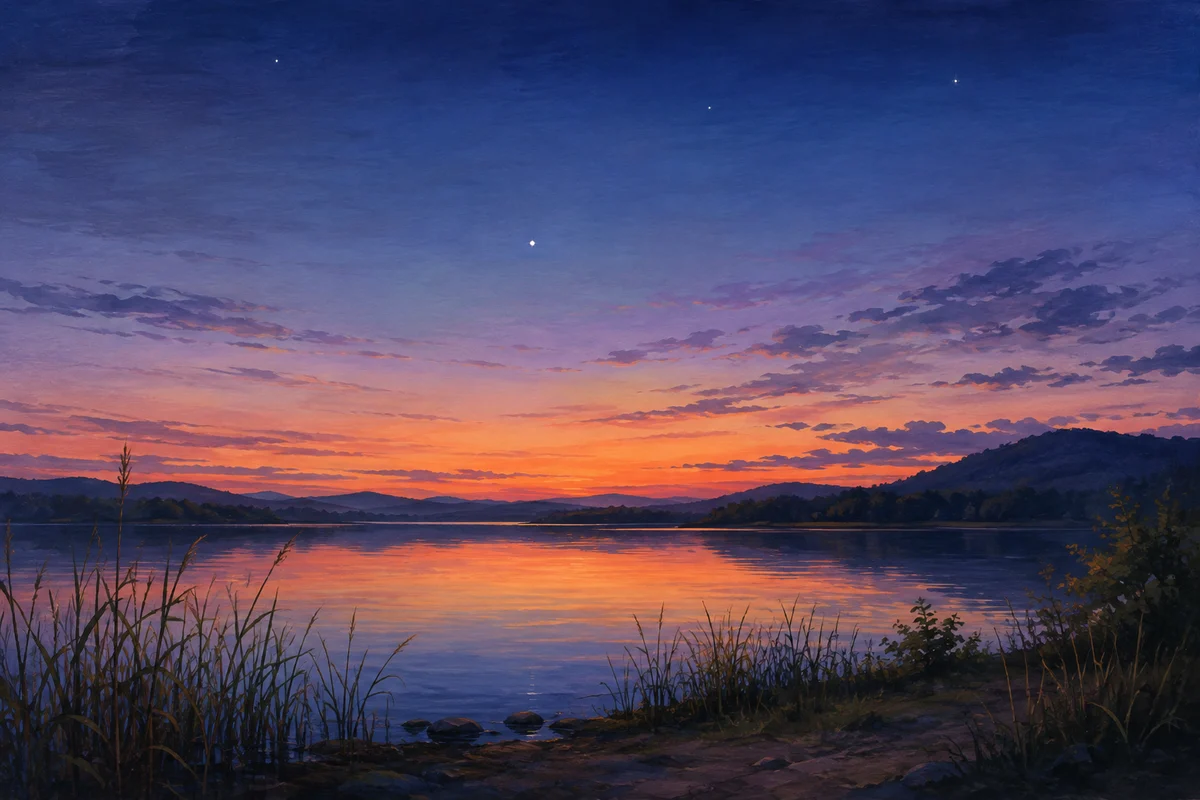
With an adult and a sky map, look for Venus low toward the east before sunrise or west after sunset when the app shows it is visible. It looks like a bright point; planets usually twinkle less than stars, although air conditions matter. Never point a telescope or binoculars near the Sun. A planetarium, museum or astronomy club can arrange safe guided viewing.
Moon, asteroids and comets
Textbook pages 243–246
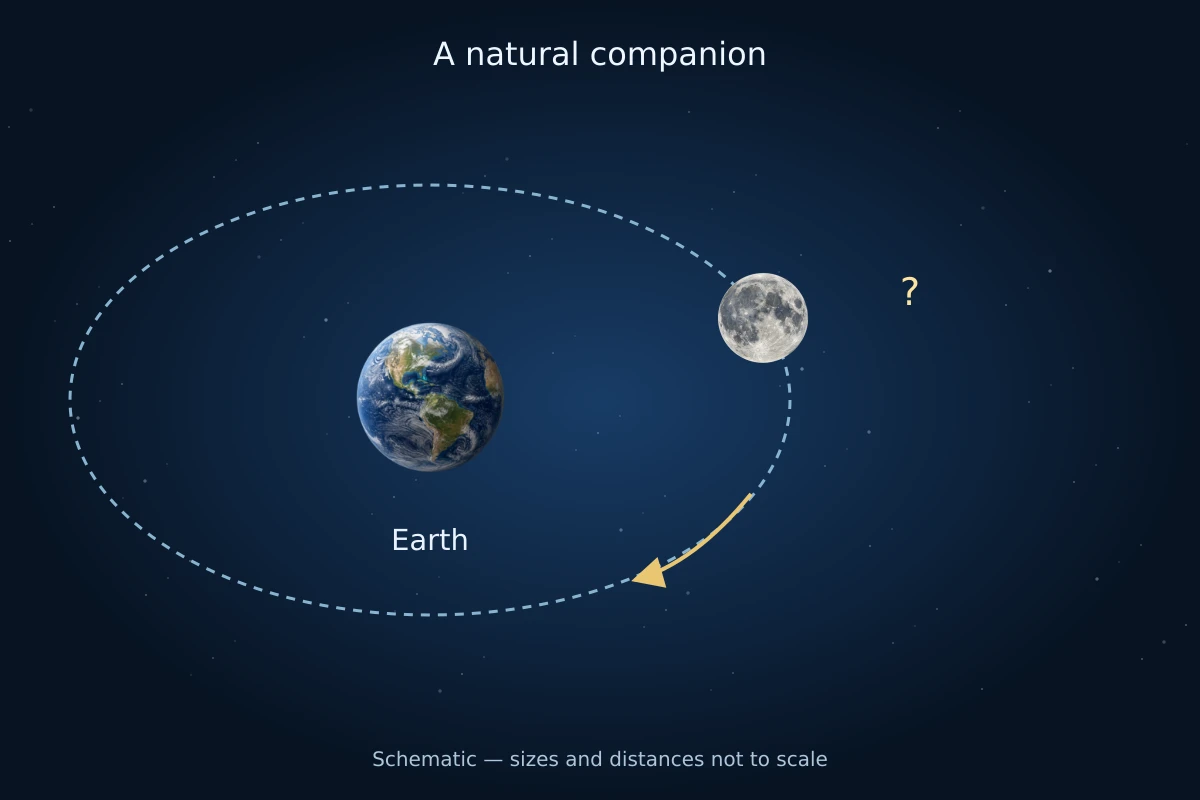
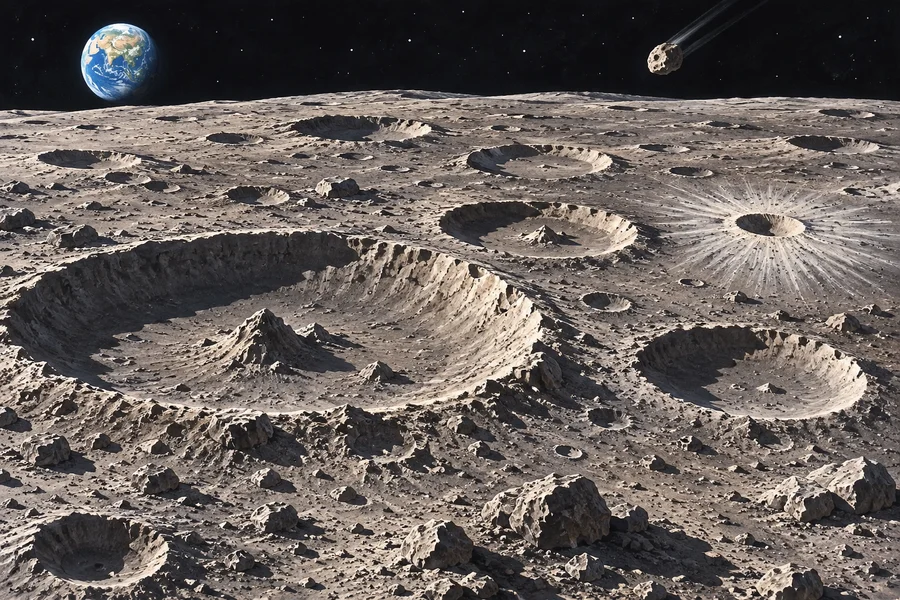
A natural satellite or moon revolves around a planet. Earth has one Moon; Mars has two, and the giant planets have many. Our Moon completes one revolution around Earth in about 27 days. Its diameter is about a quarter of Earth’s, and it is about 384,000 km away. Impact craters can remain for a long time because the Moon has almost no atmosphere and little surface erosion. The textbook describes Chandrayaan-1, -2 and -3; Chandrayaan-3’s Vikram lander and Pragyan rover landed in August 2023. India marks 23 August as National Space Day.
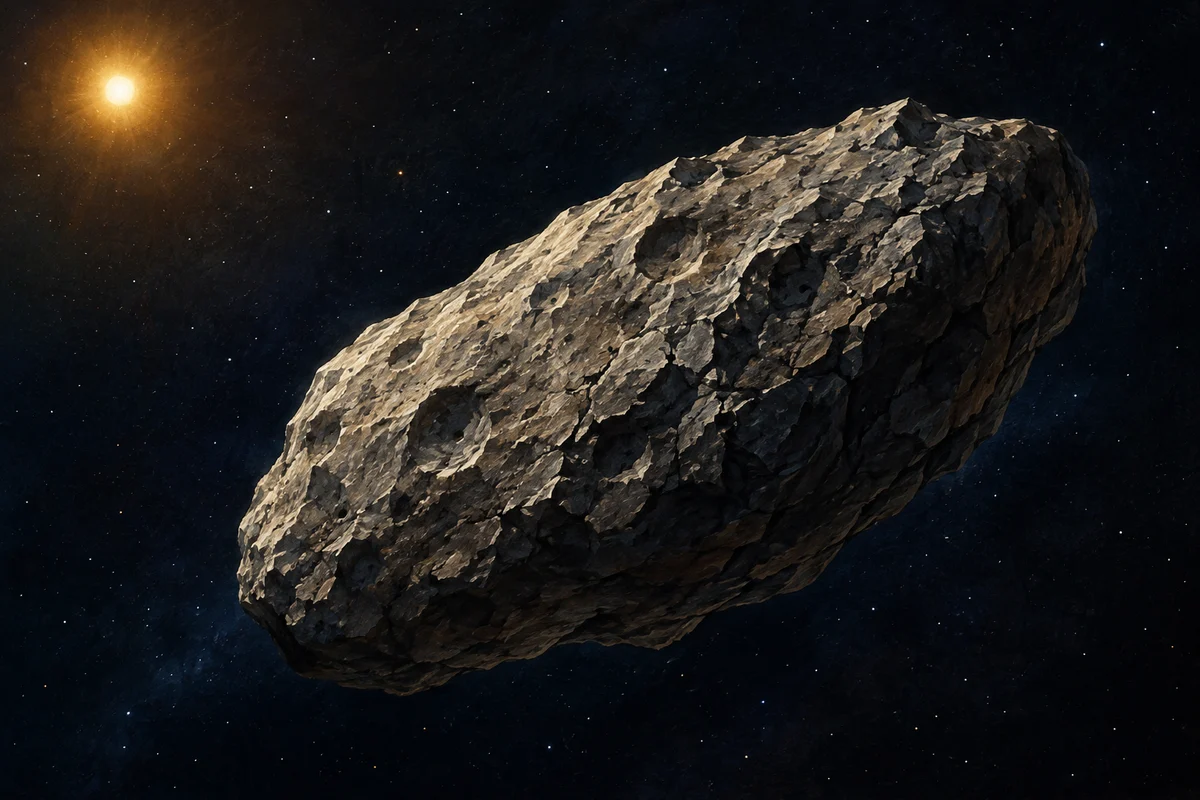
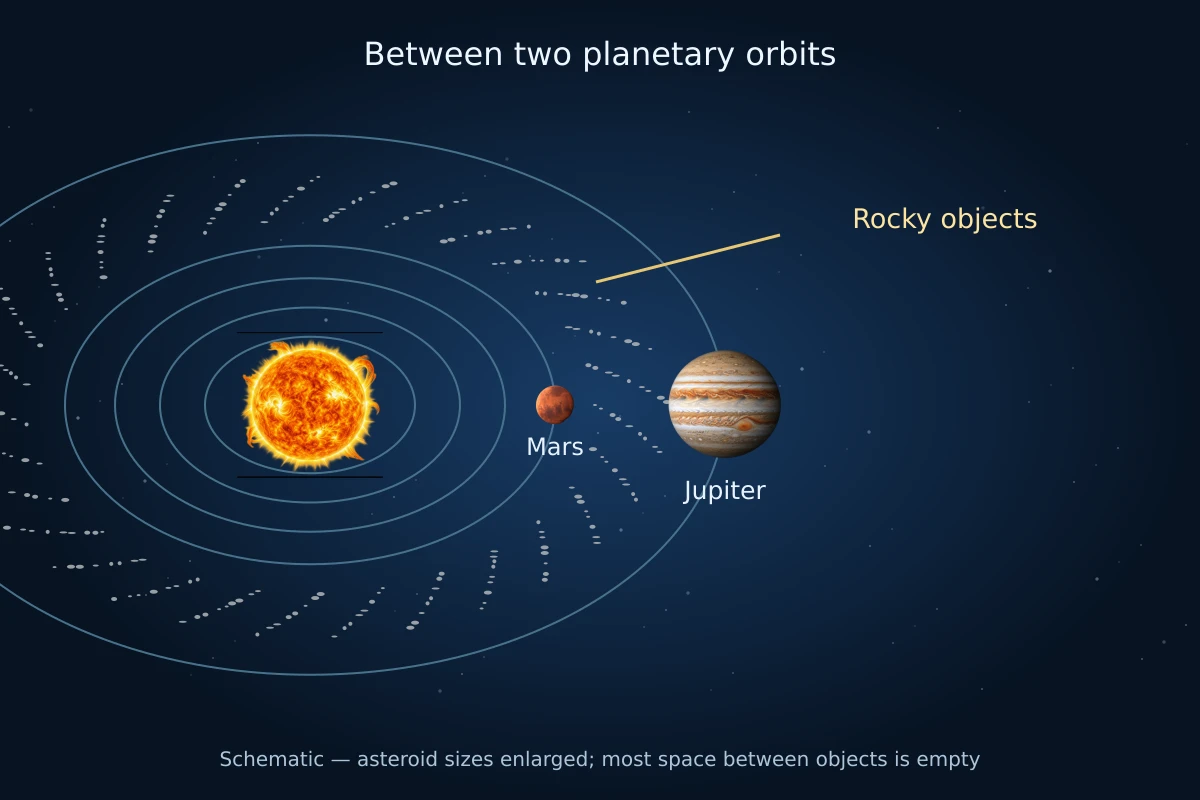
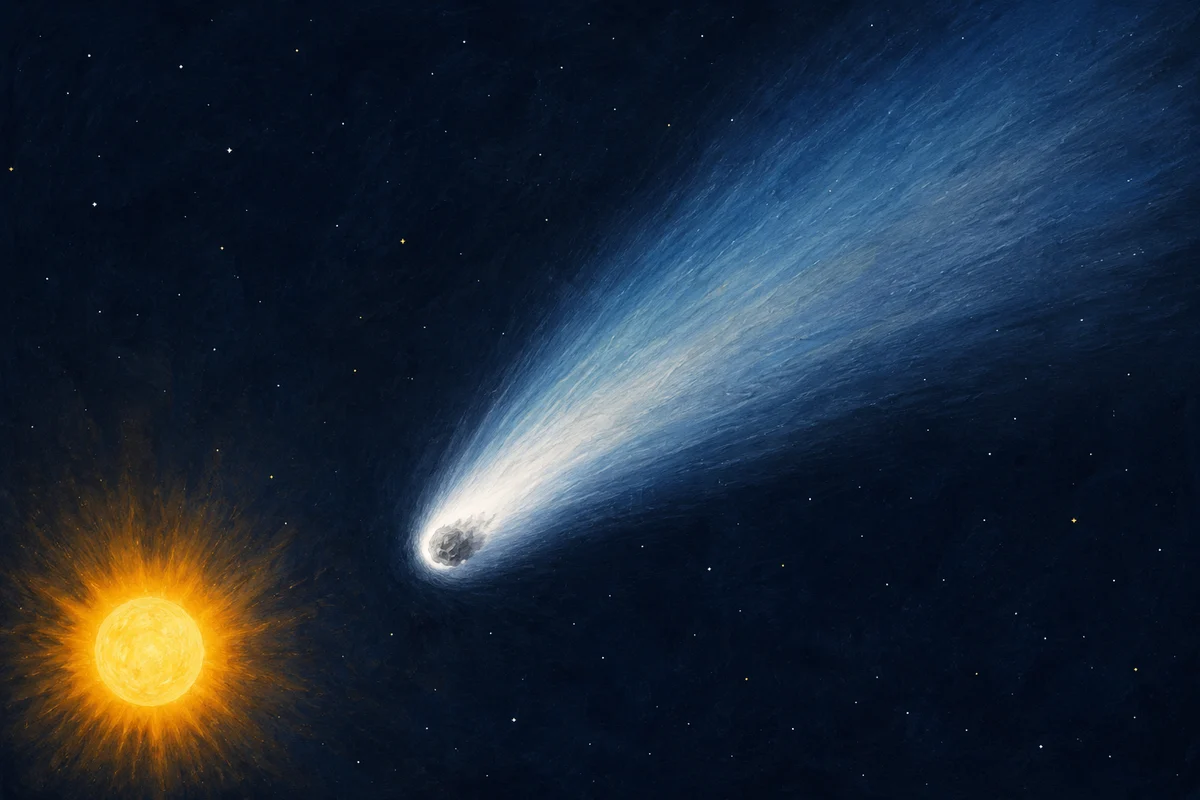
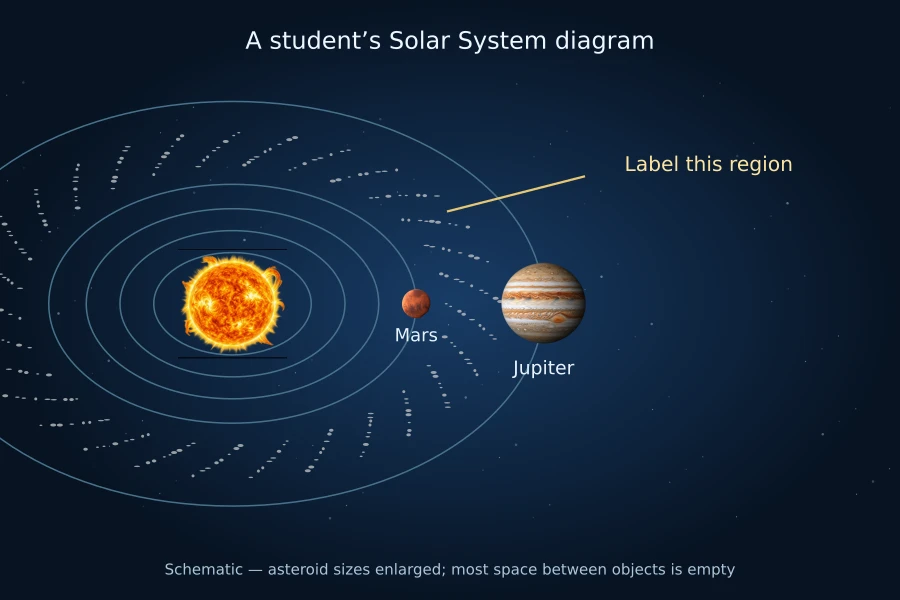
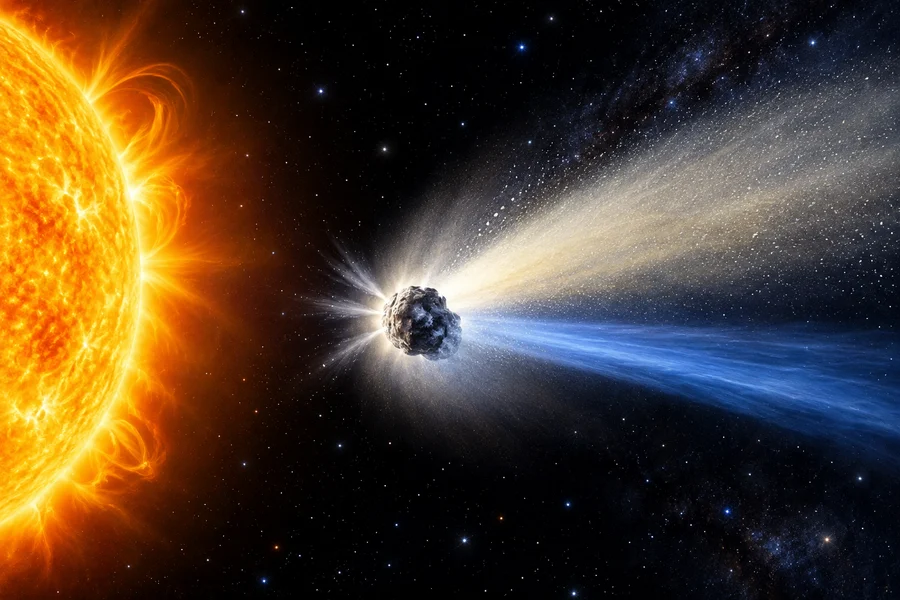
Asteroids are often irregular rocky bodies; many orbit in a belt between Mars and Jupiter. Comets contain ice, dust, rock and gas. Near the Sun, heated material forms a visible coma and tail; the tail generally points away from the Sun. Some comets return periodically, including Halley’s Comet. A comet is a natural object, not a sign of bad luck. The Solar System contains the Sun, planets, moons and many smaller bodies.
Milky Way and the Universe
Textbook pages 247–249
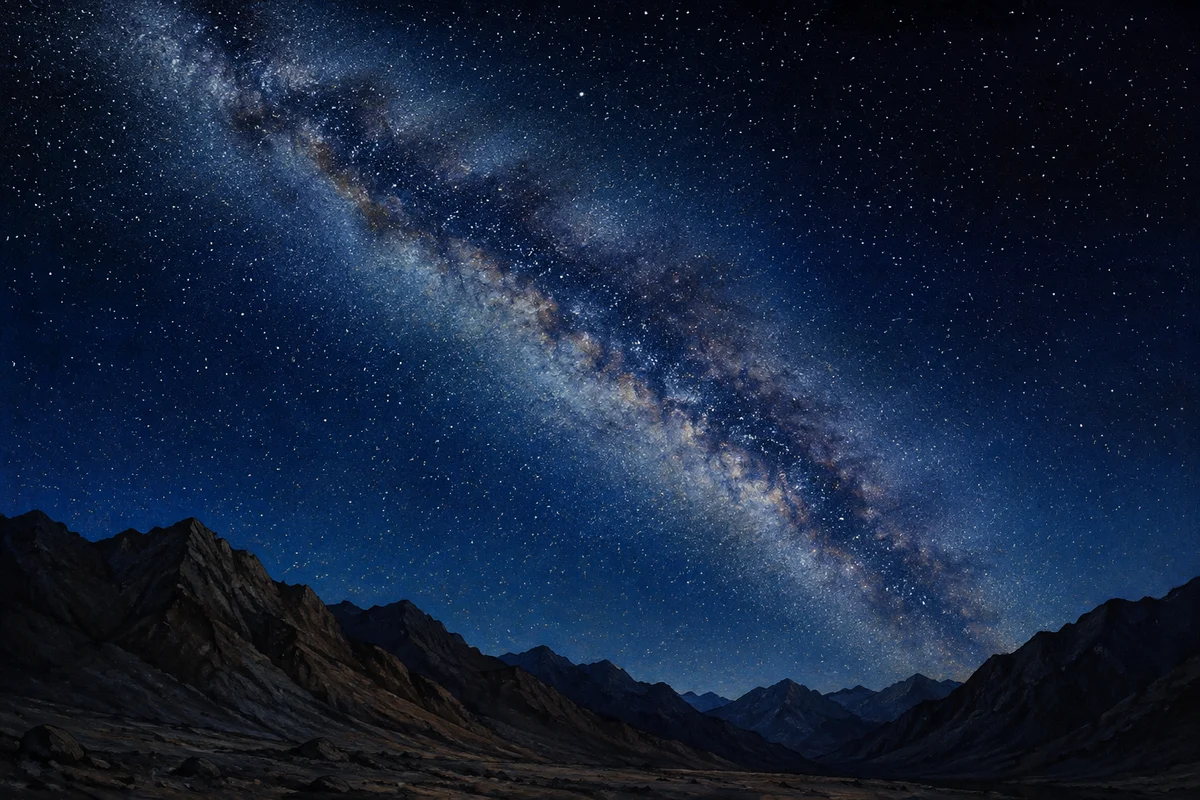
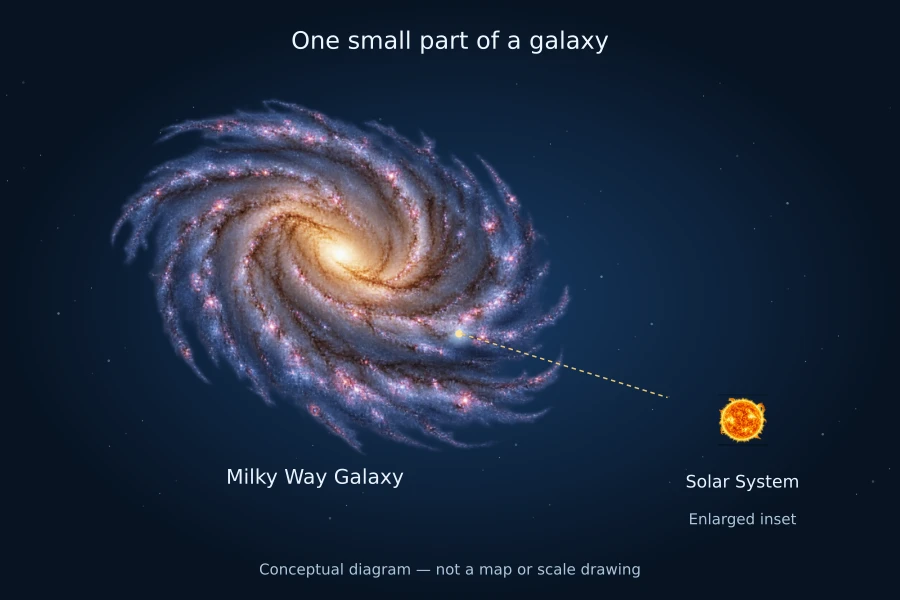
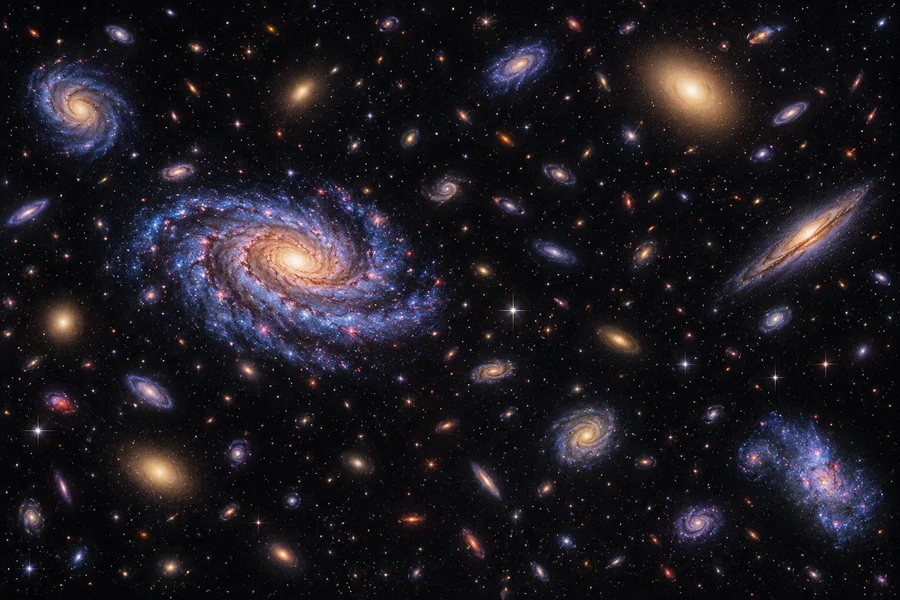
On a moonless night far from city lights, the Milky Way can look like a faint cloudy band. Our Solar System is inside this galaxy, which holds an enormous number of stars. The Universe contains many galaxies beyond ours. Scientists search for evidence of life elsewhere, including around exoplanets (planets around other stars). The textbook reports no confirmed evidence of life outside Earth. We can be curious without claiming that unknown life has been found.
All 11 textbook questions
Textbook pages 249–251
1. Match Moon, Mars, Orion and Venus.
Earth’s satellite → Moon (d); Red Planet → Mars (c); constellation → Orion (a); planet called Evening Star → Venus (b).
2. Solve the four-letter planet riddle and write two more.
MAN but not CAN gives M; ACE and FAN gives A; RAT but not CAT gives R; SUN but not FUN gives S: MARS. Two model riddles: VENUS—V in VAN not CAN; E in BED not BAD; N in SUN not SUE; U in CUP not CAP; S in SKY not FLY. EARTH—E in PEN not PAN; A in CAT not COT; R in RAN not CAN; T in TOP not HOP; H in HAT not CAT. Each clue picks one letter in order; invent your own too.
3. Which is not a Solar System member?
Sirius (i) is a star beyond our Solar System. Comets and asteroids are Solar System objects, and Pluto remains a Solar System object even though it is a dwarf planet.
4. Which is not one of the Sun’s eight planets?
Pluto (ii) is a dwarf planet. Jupiter, Neptune and Saturn are three of the eight planets.
5. Which looks brighter: Pole Star or Sirius?
Sirius is the brighter star in the night sky as seen from Earth. Polaris is useful for finding north, not because it is the brightest.
6. Correct the order in Fig. 12.12.
The printed illustration is deliberately out of order: the blue Earth appears before Venus, and the outer giants are swapped. Fill its eight boxes from the Sun outward: Mercury, Venus, Earth, Mars, Jupiter, Saturn, Uranus, Neptune. Do not judge the correct order by a planet’s drawn size.
7. Mark the Big and Little Dippers and Polaris.
In the question’s star field, trace the Big Dipper’s four-star cup and three-star handle, then use the two outer cup stars to point toward Polaris. Polaris is at the end of the smaller Little Dipper’s handle. Compare your pencil lines with textbook Fig. 12.4. The sky image includes other dots, so do not connect every star.
8. Trace Orion and label Sirius.
In Fig. 12.14, begin with the three close bright stars near the middle—Orion’s belt. Join the surrounding stars to outline Orion as in Fig. 12.3. The much brighter star off to the left of the belt in this printed orientation is Sirius, in Canis Major. Mark it without joining it as part of Orion.
9. Why can’t we see stars in daytime?
Stars continue shining, but sunlight scattered through Earth’s atmosphere makes the daytime sky too bright for their faint light to stand out to our eyes. At dawn and dusk the sky’s brightness changes, making stars disappear or reappear.
10. Does the Big Dipper seem to move during the night?
Yes. Sketch the Big Dipper 3–4 times at two- to three-hour intervals and label each time; its apparent position and orientation change around the nearly stationary Polaris because Earth rotates. Record your own observations; exact positions depend on time, date and location. Watch with an adult in a safe place.
11. Write a night-sky poem or story.
This is open-ended. A model beginning is: “Three stars make Orion’s belt; the Dipper turns through the night. I draw a line toward Polaris, while moonlight washes out the faintest light.” Add your own observations and imagination; do not present imaginary connecting lines as real objects.
Learning further
Textbook pages 251–254
Collect planet names and star stories in your local language, then draw a pictorial version. Visit a planetarium or a supervised telescope event if possible. Ask how extra night lighting affects people and wildlife, and choose one light you can switch off or shield safely. Investigate why the textbook highlights Hanle’s high, dry, dark skies and its observatory, including the Himalayan Chandra Telescope at Mount Saraswati and the Hanle Dark Sky Reserve noted in the book. Recreate a constellation on dark cloth with embroidery or another craft. The chapter ends by encouraging new questions, and its last printed page is space for your own notes.
Source: NCERT Curiosity, Grade 6 Science, Chapter 12, printed pages 231–254, 2026–27 reprint. Four activities and Questions 1–11 are included. The star maps and Solar System scenes are illustrative, not observation records or scale diagrams; exact exercise figures should be read in the printed textbook; use a current local sky map for real viewing.